In this newsletter | RPG Rediscovery | Dark Guide Tony’s Trash Can | Tabletop Gaming on the radio The Game Design Grind: Why We Play, Actually |
|
|
|
|---|
|
Arcane Sword Press RPG Rediscovery | This week, we will take a look at Universe: The Role-Playing Game of the Future by SPI | 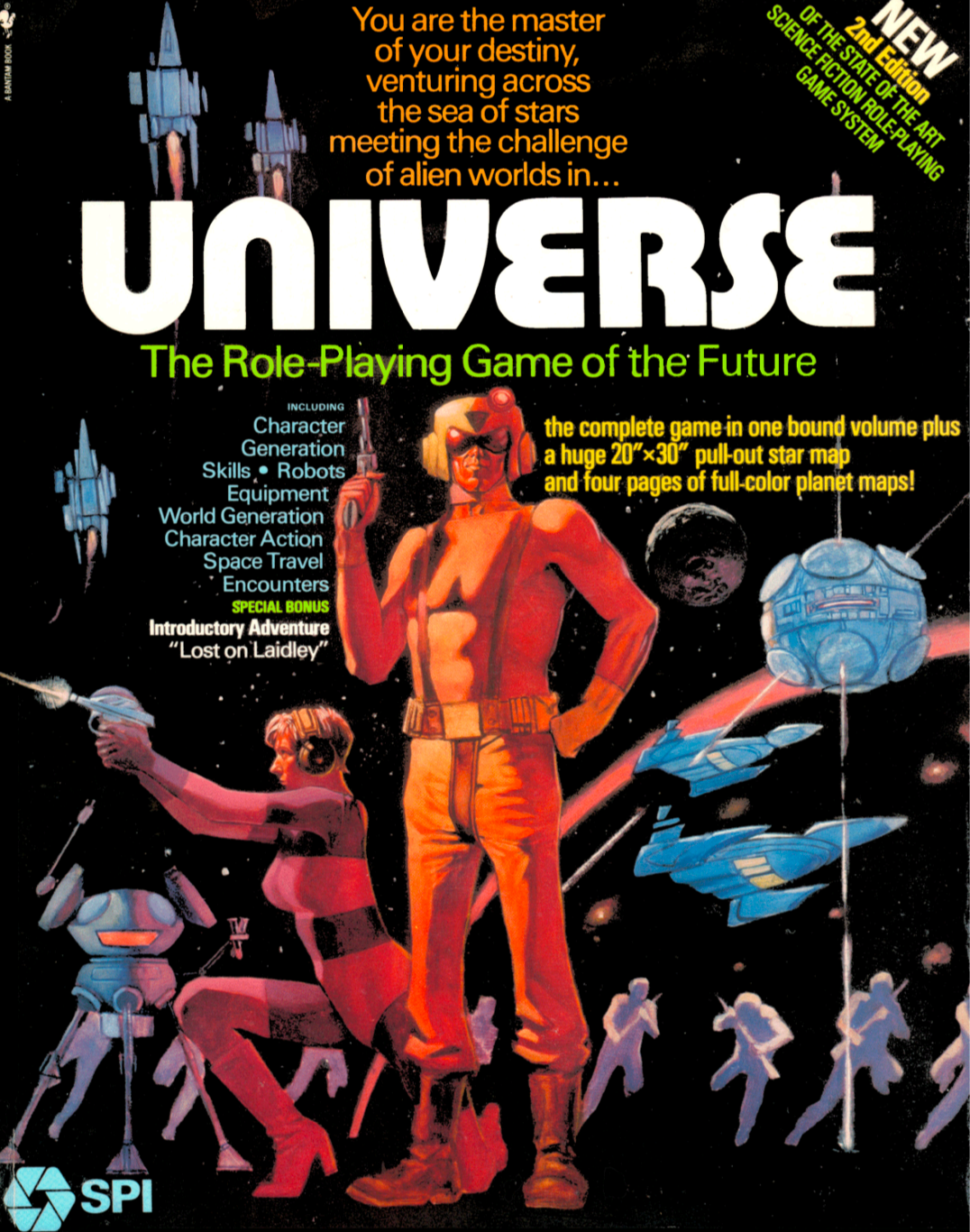 | No shirt + suspenders + helmet = 24th cemetery fashion | It’s no secret that I’m a Traveller guy. It’s essentially the Sci-fi RPG equivalent of D&D’s fantasy focus. It’s one of the few RPGs I can think of that succeeds at making a “setting-neutral” sci-fi game that allows the player to define their campaign, much like how they would use D&D to create their own fantasy campaign using tropes. This is much harder with Sci-fi due to the sheer nature of the genre being devoid of any unified, agreed-upon tropes because it’s so encompassing of any speculative fiction, which makes it an enriching genre to explore. But Traveller really gets close to this by focusing on pulp sci-fi as the basis, much as D&D is inspired by pulp fantasy (plus some older works). Most sci-fi games are defined by the media the game is based on (Star Wars, Star Trek, any tie-in game) or have the game’s setting front and center as it drives the mechanics and narrative of the game due to the need to define the scope of the game’s Science Fiction boundaries (Metamorphosis Alpha).
That’s why Traveller stood out to me, beyond its simple but robust mechanics and free-kriegspiel gameplay focus. It’s designed as a sandbox for players to define their OWN sci-fi experience, rather than playing within a defined sci-fi setting with its own expectations. Traveller did eventually develop a setting based on feedback that some players may prefer a premade setting to making their own, but this has never made a defining aspect of the classic Traveller run, only an optional supplement to engage with as desired. Now you may be thinking- did any other games attempt to make this same approach to a “generic” sci-fi game? Kinda, I have yet to find one that really makes that double whammy of both setting neutral but inspiring to activate my mind. But many tried, and Universe is one of those attempts! |
|
|
|---|
|
Universe was published by Simulation Publications Inc, or SPI. If you read my Magazine Madness series, I covered their visually cool but misleading attempt as a gaming publication, Ares Magazine. And if you remember that article, you may recall that SPI was in financial trouble by 1983, leading to its acquisition by TSR. So, where does Universe fit into this timeline? The dead end of SPI’s existence from 1981 to 1983. An interesting time for the company to be sure! Maybe Universe was a panicked attempt at a cash grab in the growing RPG market, as their wargame company was sinking? Regardless, two editions came out, one in 1981 as a box set and one in 1982 as a standalone book. |
|
|
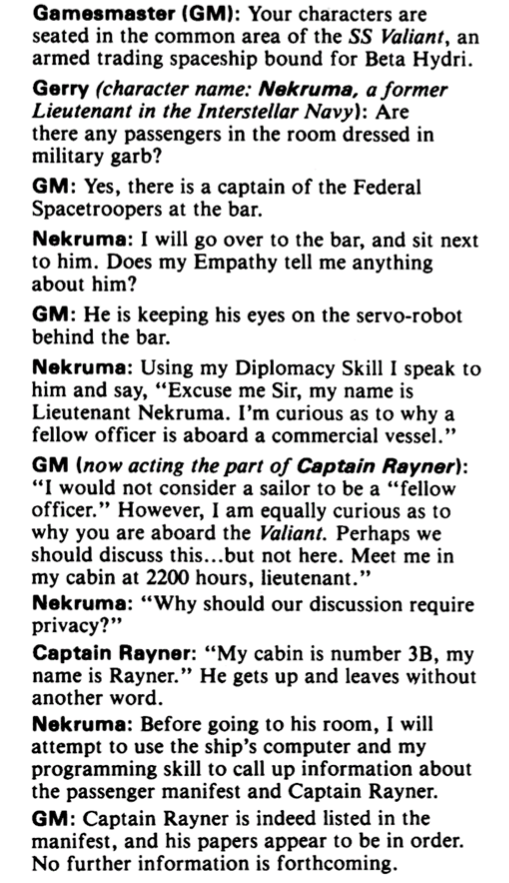
| | | This is the only example of play in the game |
|
|
|---|
|
Universe gets an A for effort, but man, oh man, did my eyes glaze over this game, nearly any attempt to read it. It really tries to cash in on the success of Traveller, but absolutely misses what made Traveller a good game. You see- SPI was a wargaming company. They made countless games using chit-and-hexes, many well respected amongst that spectrum of the hobby. I mean, heck, D&D emerged from Chainmail! But Universe lacks the cleverness you get from RPG writing- designed for spurring imaginations and is instead focused solely on providing DATA for running a GAME without wiggle room for fudging. In other words, the impression I get is that the writer didn’t understand the difference between wargaming and roleplaying and wrote it like a wargame. It’s almost as if someone was told to write a Traveller-like game but never played it, or even played an RPG before. |
|
|  | This is the only interior art in the whole book |
|
|
|---|
|
This book has ZERO artwork; everything is laid out in a three-column layout of walls of text. Each section has sub-sections to make parsing it out easier, but only marginally. The book is laid out into a Gamemaster Section, a Charts and Tables section, and an Adventure section- an obvious stitch-up of the separate booklets in the box set bound to one spine. It’s funny that there is no Player-facing information here, or rather, the writer thinks that’s what the Gamemaster Section is for, since it includes character creation?? Regardless, character creation is complex and confusing (100+ skills?!), and much of the bulk of this game. I respect that the GM thinks I’m smarter than I am by presenting me with its contents, seemingly aimed towards smartie-pants players. But alas, I’m merely a Luddite who gets confused when character creation has division math involved.
Quick tangent: I’m so glad that more (not all) modern games are more clearly written for comprehension and learning, unlike many older games that seem overwritten to sound smarter than they were. Gygax was famous for this, and I always view this type of writing as more self-indulgent and elitist in a cringy way (you can only play this game if you’re SMART enough to decode the rules!) as opposed to, you know, being written effectively to get more players interested or teach the game. That’s my opinion as an educator and indie game writer, but I digress.
I really wish this game had more artwork, because SPI was at its peak in graphic design and illustration with its early 80s output. I honestly love the cover for Universe, suspenders and all!
So what IS cool about this game then? The galaxy poster! This game comes with an accurate, three-dimensional poster that encompasses most of the star systems within 30 light-years of our solar system. I also appreciate Universe’s attempt to inject scientific plausibility into its sci-fi, implying a more tangible yet still fantastic game.
It’s worth mentioning that Universe also had a tie-in game, Delta Vee, published with Ares issue 9, with a follow-up in issue 10. Issue 10 also has an article written by one of the freshly hired staff writers who was assigned to Universe, and I feel that the following section basically outlines my issue with the game | 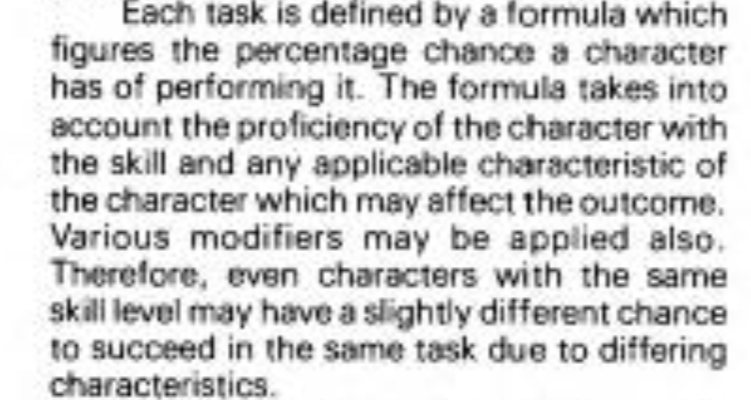 | Nothing screams fun and immersion like determining formulas! How the article is written is frustrating in a similar way to how Universe is written, and you can barely glean this from their attitude in the writing. Ugh. It’s worth mentioning that as soon as TSR acquired SPI, Universe was shelved because they were focusing on their own sci-fi RPG, Star Frontiers. As I mentioned in my Ares magazine article, TSR wasn’t exactly great to the acquired talent or properties from SPI. This is a missed opportunity on TSR’s investment because SPI’s staff had artistic and graphical talent.
To wrap things up, would I play Universe? Sure, but as a player, just to experience it. I easily found forum posts of people who loved it when they were young, so it had its fans, so it must be fun to play, right? I would never run it as a GM because it seems like a thankless and tiring task. But again, why play Universe when Traveller exists (and is free)? Is that ignorant of me? Probably, but I dare you to learn Universe and have a good time doing so. Again, that’s harsh, and I don’t think it’s fully founded, and Universe has intrigued me enough to revisit it down the road to hopefully view it with a fresh perspective.
Next time- En Garde! By Game Designers’ Workshop!
|
|
|
|---|
|
| | Mystic Punks Dark Guide Tony’s Trash Can | Y’all watching the new The Ghost In The Shell gifted to us by our benevolent Cyber-Overlord β∑zøS? Already a few episodes in, and it follows the original manga pretty close to the hilt, especially in terms of Masamune Shirow’s art, super dystopian post-capitalism, and (yay!) humor. So yeah, it’s beautiful animation, AND it’s evergreen in relevancy. Oh, digi-mana from electro-heaven!
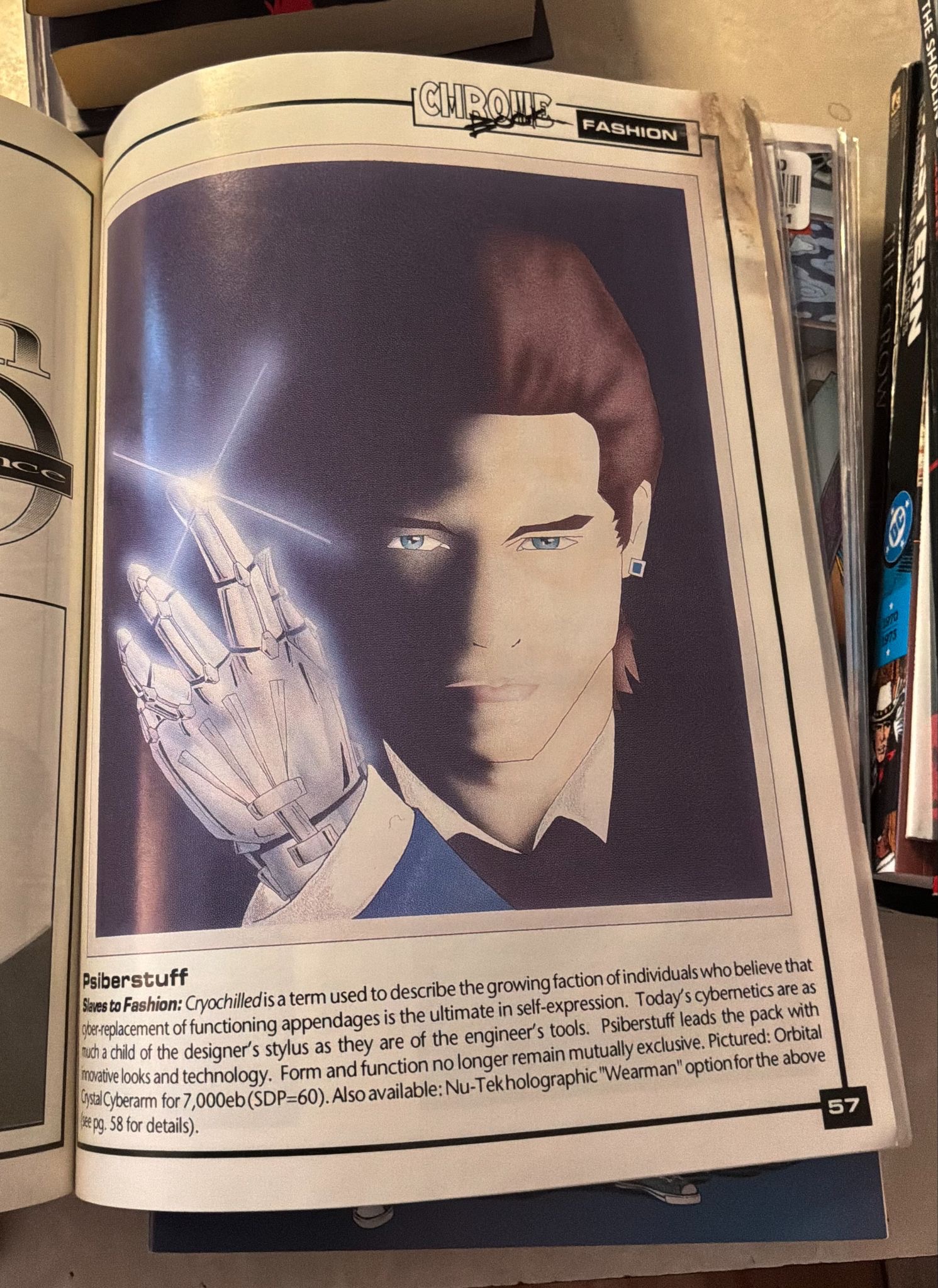
It got my trash mind thinking about my early 90s Cyberpunk 2020 stuff, which, like a lot of books from my youth, is hopefully now in the hands of a happy gamer. Anyways, at Origins 2024, while eating the most insane Polish food ever, I picked up a worn copy of R. Talosorian Games’ catalog-style Chromebook resource book. Pretty typical for a splatbook to upgrade yer punk, but I wanna focus on the glossy pages midway through. | 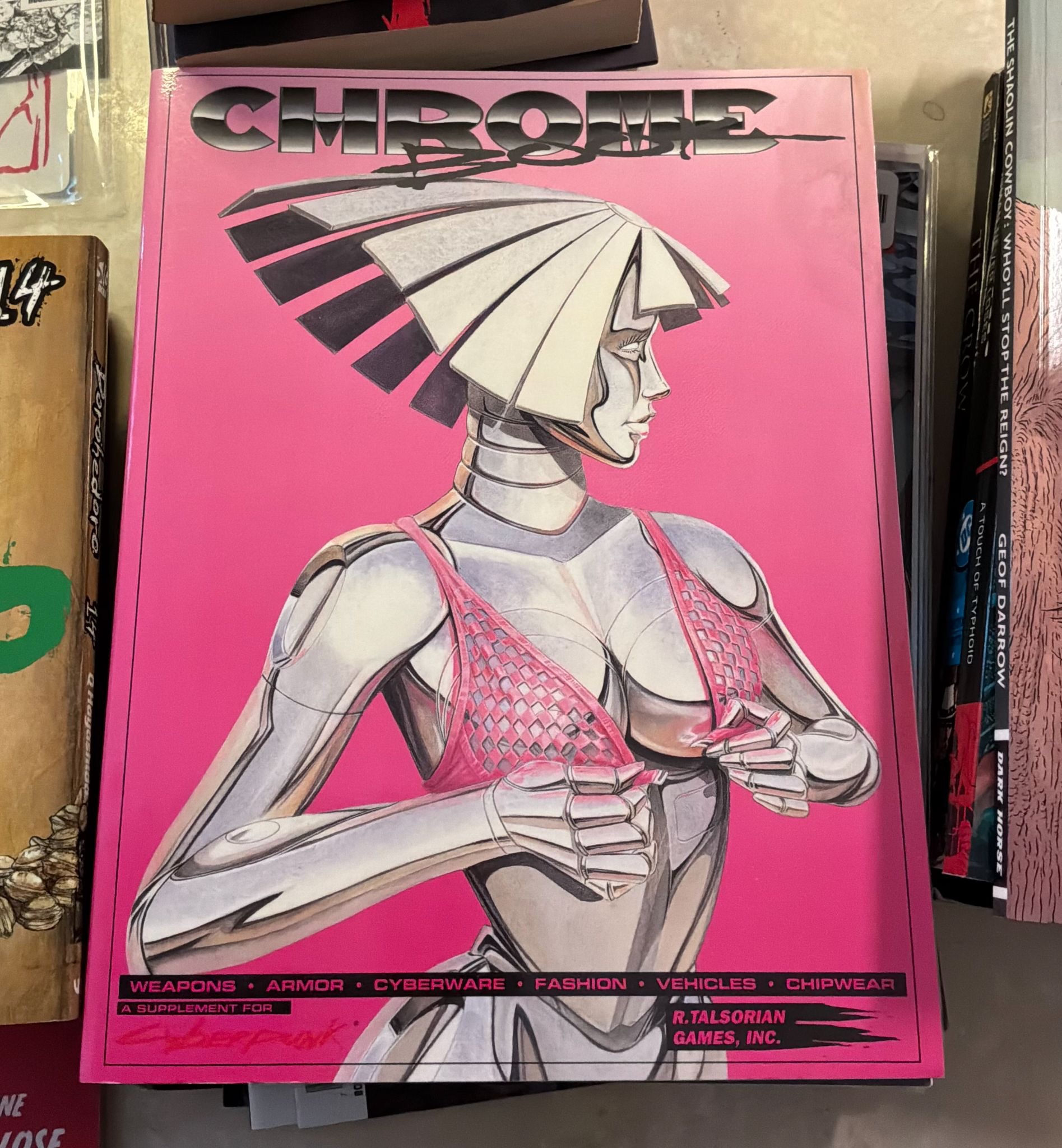 | First, let’s set the tone:
So, Chromebook came out in 1991, Dark Horse Comics published a censored GITS manga stateside in 1995 (the original Japanese manga was out in 1989), Lawnmower Man had the best graphics, and AOL’s dulcet tones were firmly implanted in everyone’s brains. The vibe was cyber, and all y’all were jackin’-in.
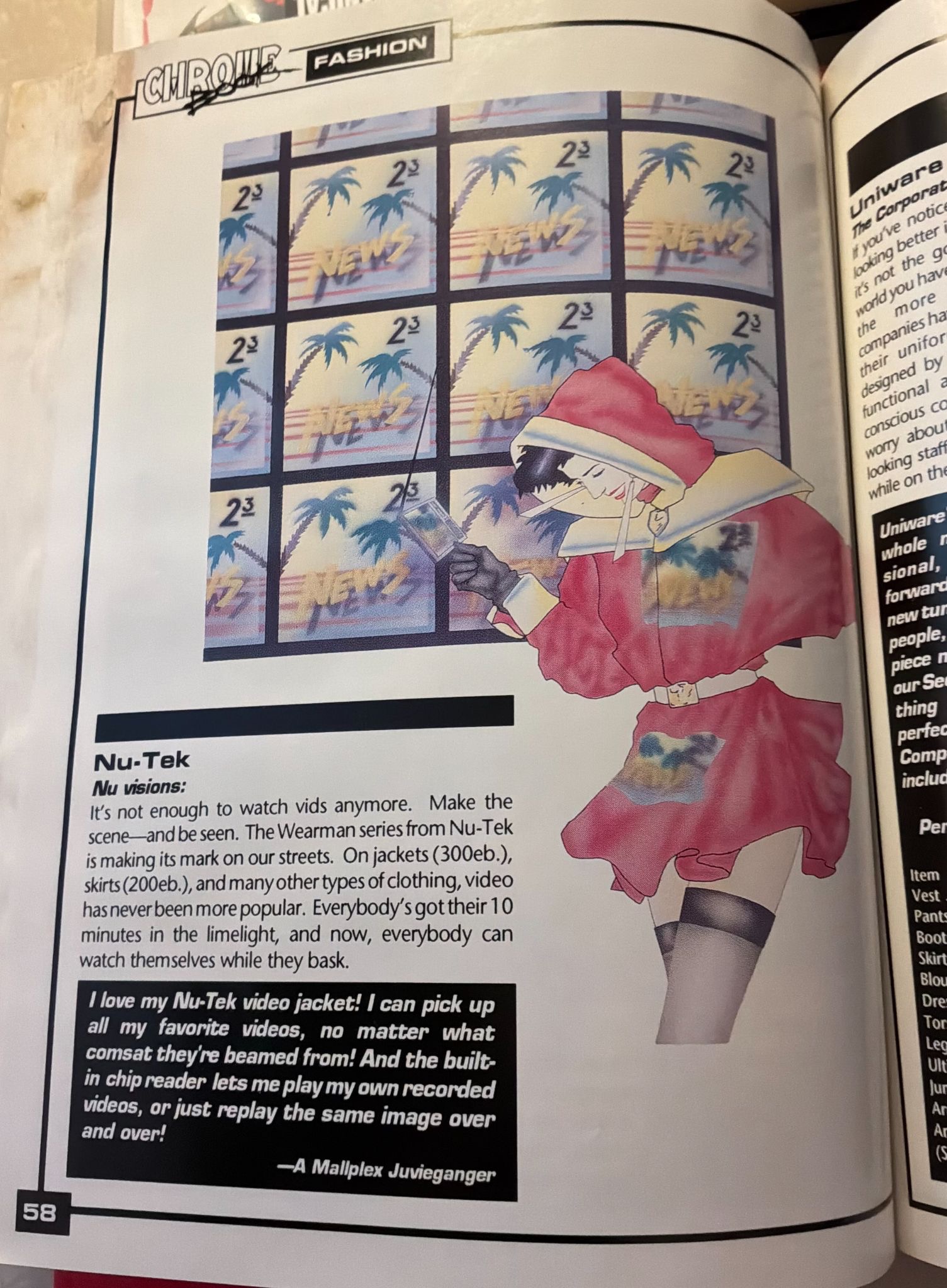
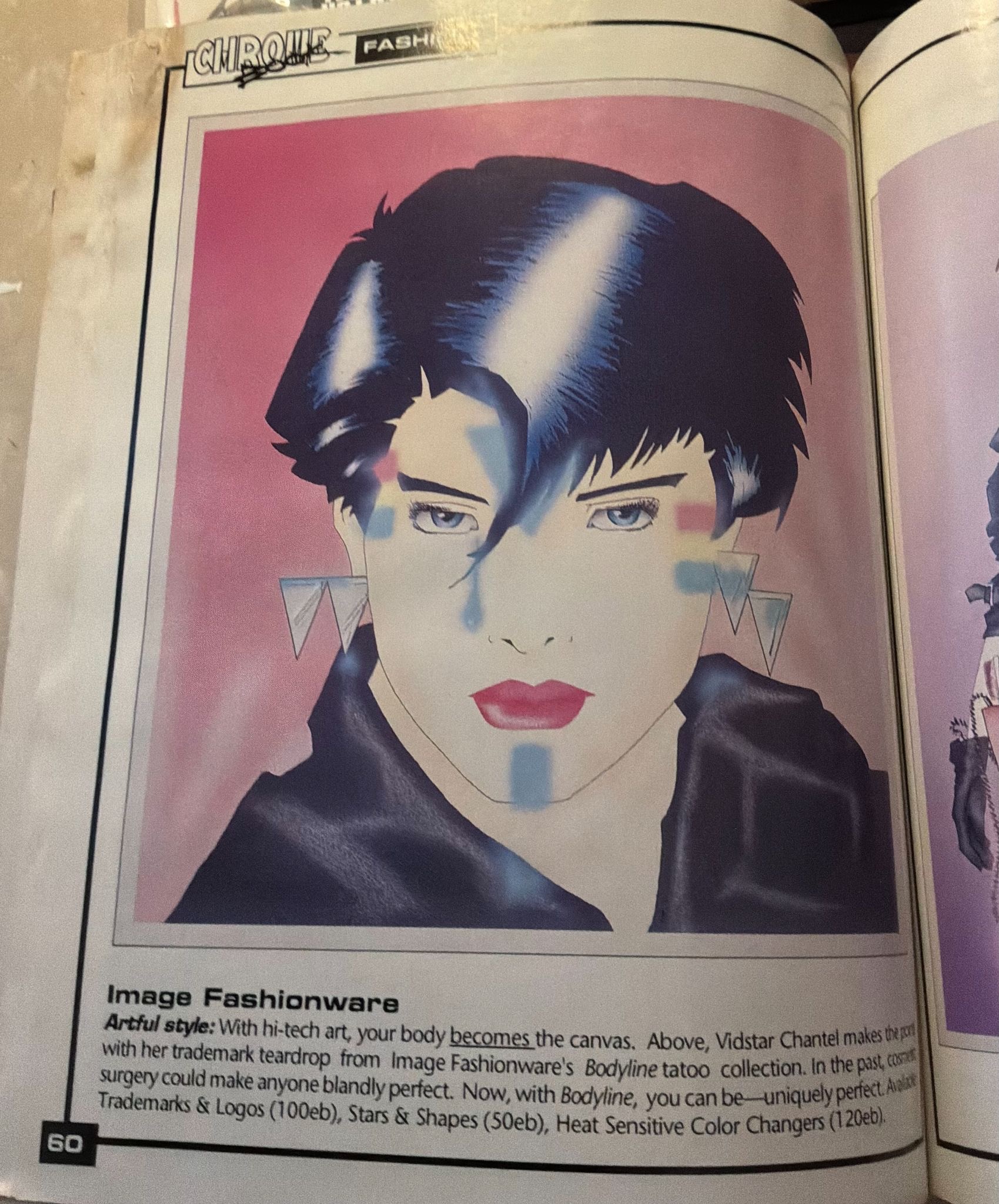
Chromebook hits us with these beauts as a part of their Fashion 2020 line. Now, signatures are credited to Karl Wu, but please hit me up and correct me if ya know otherwise! |
|
|
|---|
|
These post-New Wave, Nagel-esque representations of sophistication, aside from the shared pink hues, are such a far cry from contemporary cyberpunk aesthetics, yet interesting. Mainly, Chromebook taps into a late-20th-century style commonplace in strip-mall beauty salons. And I’m not disparaging this concept—quite the opposite.
Although these illustrations aren’t breaking new ground, even when they were fresh in ‘91, I’d wager that the swirling stew of trash music videos, Spencer Gifts, and movies gave the average suburban gamer enough reference for informed character development. Ya know, a Rule of Cool diving board of sorts. Or, as Chromebook perfectly states: Style, Elegance, Substance.
|
|
|
|---|
|
Solarian GamesTabletop Gaming on the radio |
|
|
|---|
|
WESU 88.1 FM is the community radio for Wesleyan University. I got the call last-minute to join Jon Johnson, host of Pint O’Comics, to talk about tabletop gaming this weekend, which turned out to be a lot of fun.
We talked about creating Top Secret, the new Tradecraft Manual, crowdfunding, game production, zine culture, ModCon, and even Gygax Magazine.
I wonder what the Sunday afternoon radio audience made of all that nerd talk in one place. His show is usually about comics, so I guess they were ready for what we were laying down. Weird to be on actual radio in this streaming world. I kinda miss radio, especially college radio. WESU is a fun station; I’m going to start listening to them a lot more now.
So hey, if you want to spend an hour listening to the radio like some kind of savage, check it out below. I stuck it on YouTube with captions and everything; have fun! | | |
|
|
|---|
|
| | Stillfleet StudioThe Game Design Grind: Why We Play, Actually
|  | We didn’t get into making TTRPGs because of actual-play streams (AP). We’ve found, however, that some of the best feedback we receive is from friends who are AP performers and their discerning audiences.
For the launch of Danse Macabre last year, the game’s lead creator, Christopher Pickett, and I invited a dozen AP streamers to try the game during an early stage as a sneak peek. This was a fun, invaluable, and surprisingly simple strategy that resulted in several great one-offs.
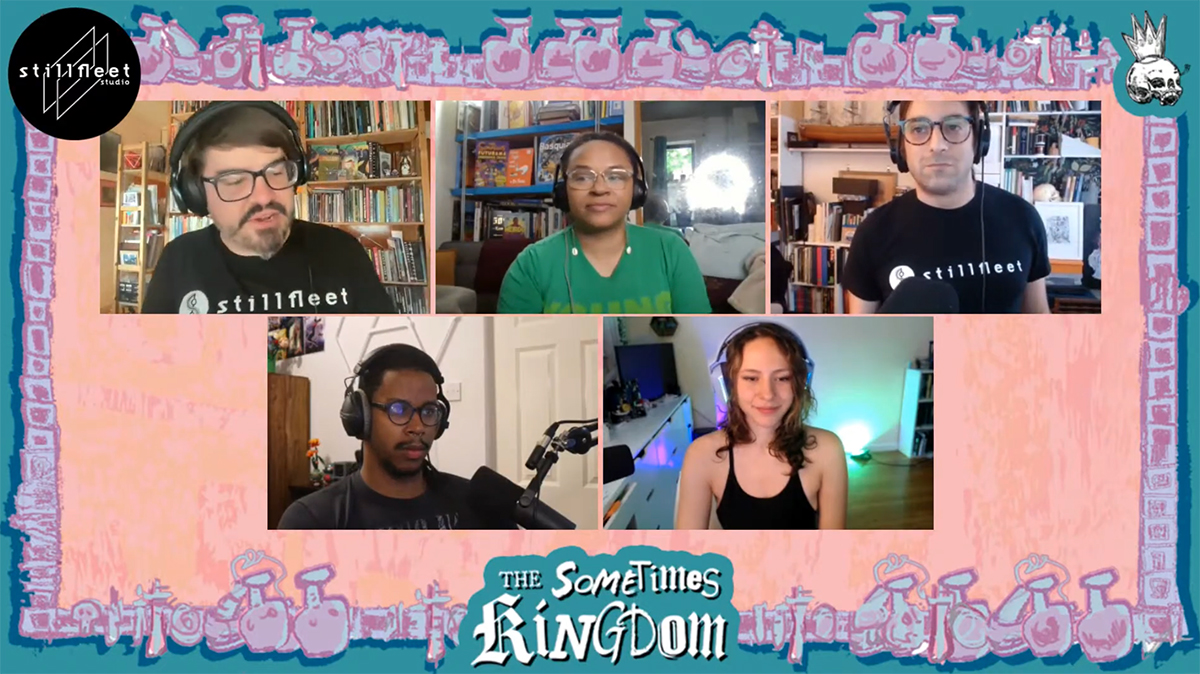
We just did the same for the launch of The Sometimes Kingdom RPG in print, with a two-parter featuring special guests Nihara Nichelle, Apollo Pierce, and Rachel Kordell alongside the game’s creator, Ethan Gouldini, and me. | | |
|
|
|---|
|
So why do we produce AP, if that’s not our primary goal? In one sentence: because we want people to see what our games are truly like to play—not only when the creators play them, but when new players try them out, with no/low prep.
To use a phrase I learned from our friends at Plus One Exp, this is “exegetic AP”—a genre of play example that helps a viewer see, hear, and feel the meaning of a game, how it works, and what it’s about.
This is kinda sorta marketing, yes—we want the performers to have fun, say funny one-liners, etc.—but it’s not a “hard sell.” The sort of non-edited AP that we aim for is about being honest with players, showing them your system live, with some of the same time pressures that players face at home.
Other benefits of forcing yourself to create AP of your games include: reaching out to cool new humans, getting feedback on core rules, forcing yourself to develop and test decent intro scenarios, forcing yourself to whip up promo graphics (even designing games live so you can play them later), and so forth.
If you’re new to TTRPG design and camera-shy, start with your friends. Use normal headphones; don’t even worry about mics if you don’t have them. Something about being in front of a camera can lead to more urgent, open gameplay. Just have fun! | | |
|
|
|---|
|
Analog Union Join the Analog Union subreddit | 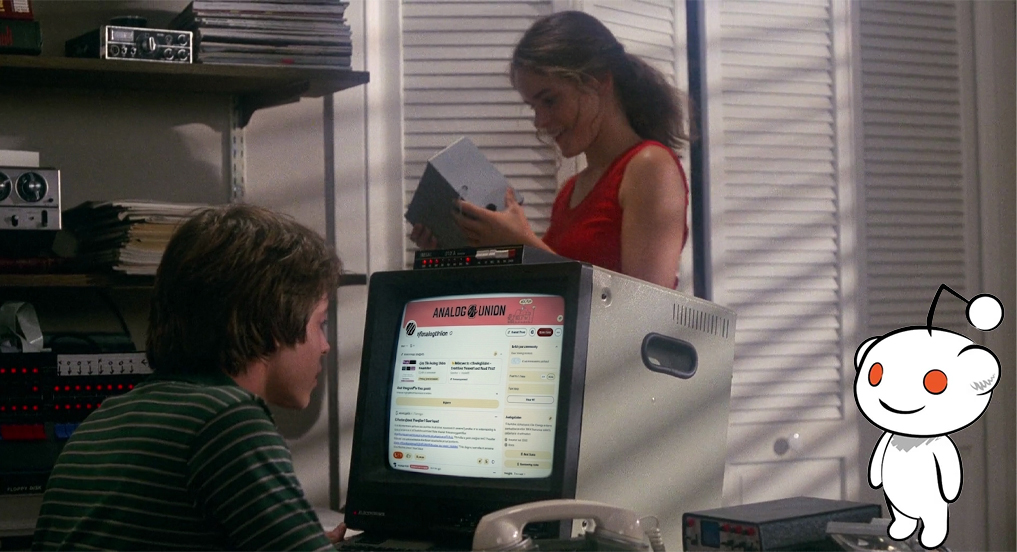 | The Analog Union subreddit has launched, and it’s starting to grow! Join us in our new community where you can tell us what you really think of all these shenanigans we’re getting up to. We listen, and we care. And I really want to see what you’re up to in your gaming world.
It’s easy to find; it’s literally r/AnalogUnion.
Get in now so you can say “I was there before it was cool.” (Spoiler alert: we’ll never be cool) | | | | |
|
|
|---|
|
ShireCon North Canaan, CT – September 25th & 26th |
|
|
|---|
|
ShireCon is celebrating its 8th year! Two days of role-playing and board games in the Berkshires! Come for a day and a half of OSR and modern gaming. Visit our vendors selling old and new games and enjoy the local fare in North Canaan, CT |
|
| |
|---|
|
Under The Dice Fest Enfield, CT – October 2nd, 3rd & 4th |
|
|
|---|
|
Under The Dice Fest returns this October 2nd- 4th!
UTDFest is focused on independent tabletop gaming, with a focus on miniatures and wargames! The New England Mordheim Open returns, along with roleplaying games, game tournaments, workshops, live music, and more! You don’t want to miss it! |
|
| |
|---|
|
ArcaneCon Northampton, MA – October 16th & 17th |
|
|
|---|
|
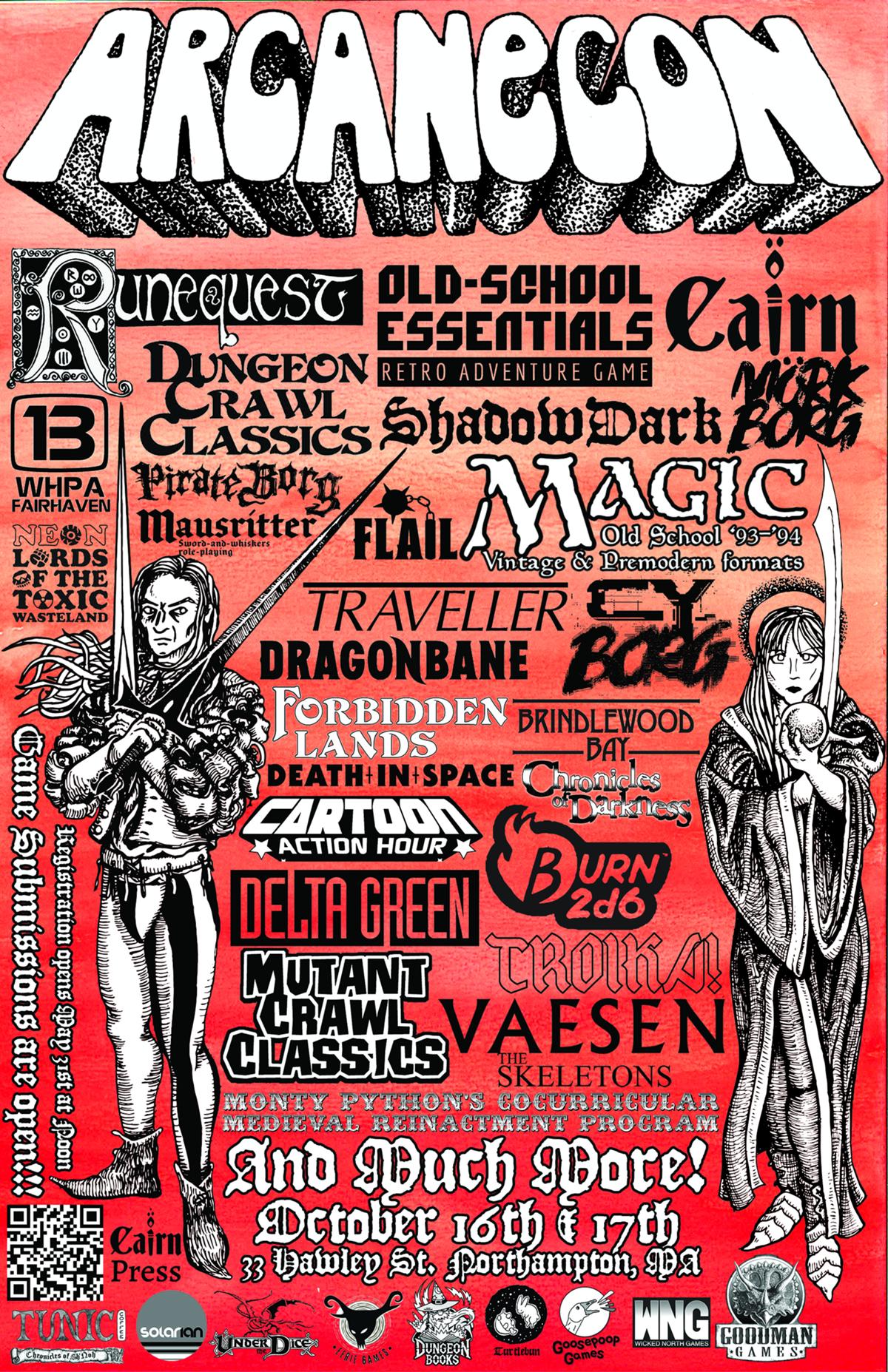
ArcaneCon is returning October 16th & 17th, 2026. Join us in a celebration of indie, old school, and old school-inspired RPGs, miniature games, board games, and more! ArcaneCon is Western Massachusetts’s premiere tabletop hobby convention! Game submissions are open now!!! See more information at Tabletop Events. |
|
| |
|---|
|
Keep on emailing us at hello@analogunion.com to let us know what you’d like to see more of/less of and to share ideas. If you enjoy the Analog Union newsletter, please tell your friends to sign up at AnalogUnion.com. Until next time! —JHM |
|
| |
|---|
|
|
|