In this newsletter | Orb Tyrants | Metamorphosis Alpha | Alewood Games Game Jamming | Top Secret Tradecraft Manual |
|
|
|
|---|
|
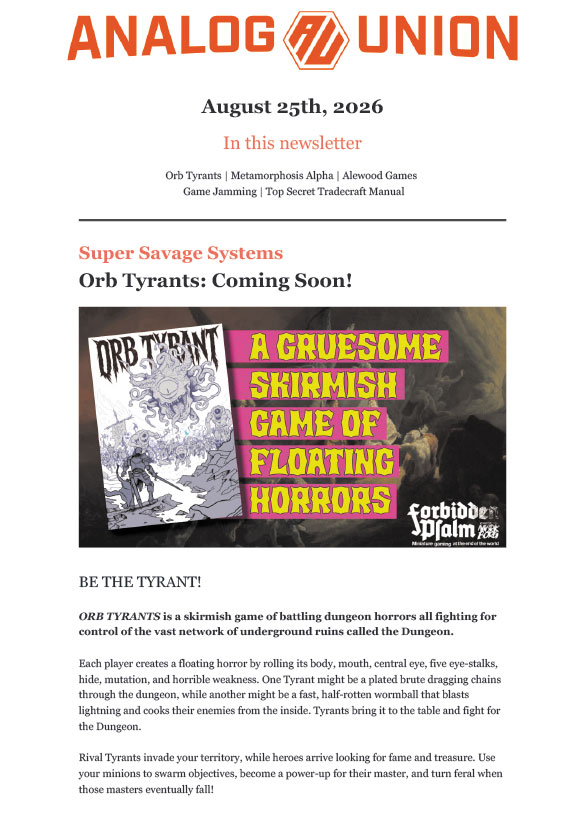
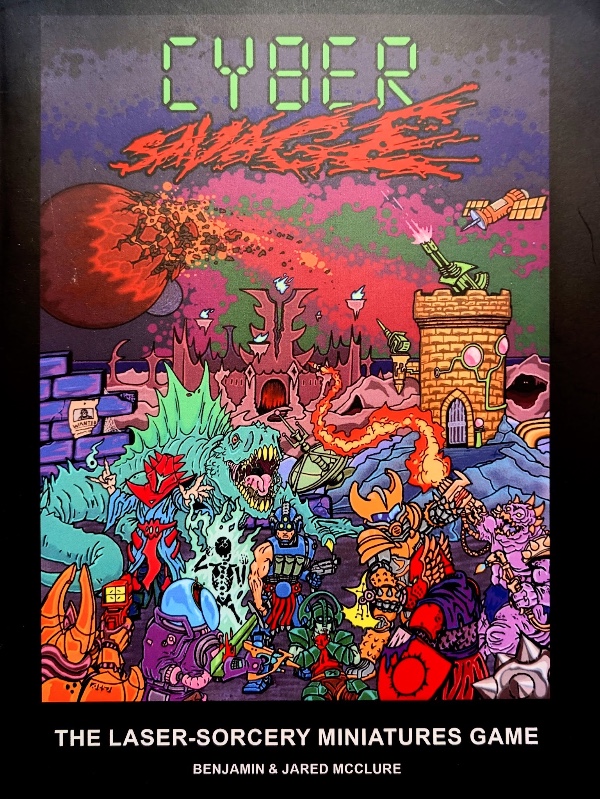
Super Savage SystemsOrb Tyrants: Coming Soon! | 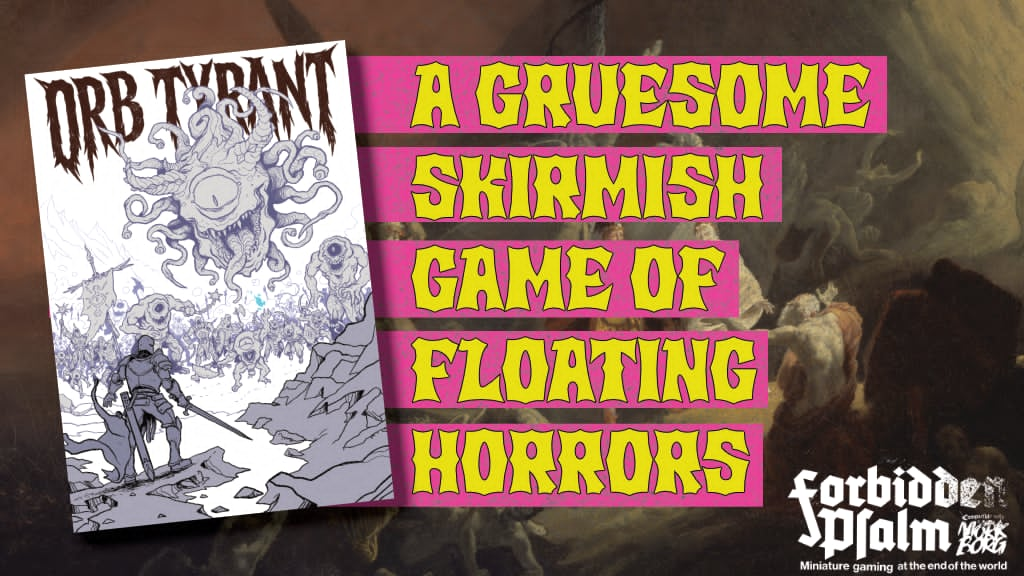 | BE THE TYRANT!
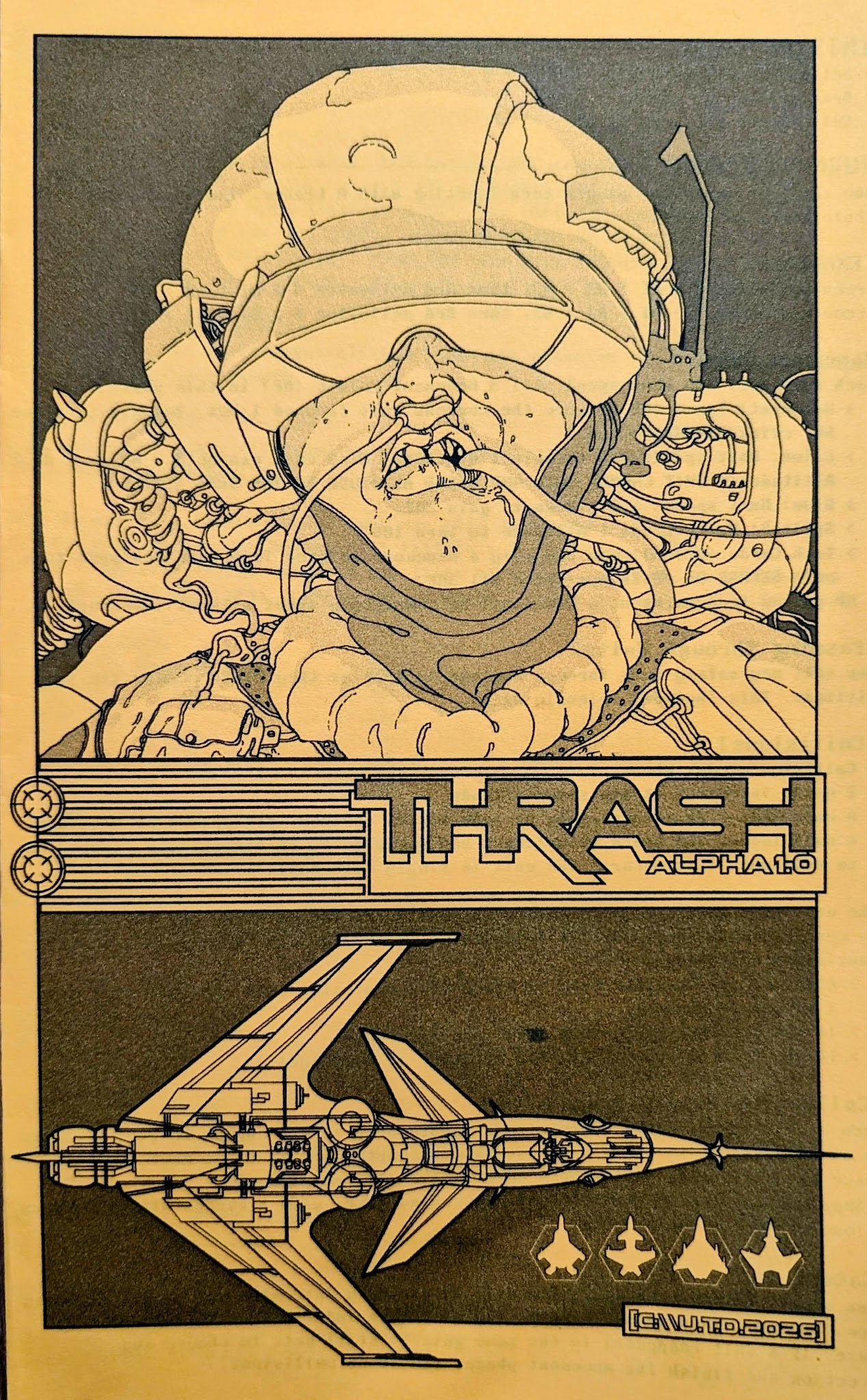
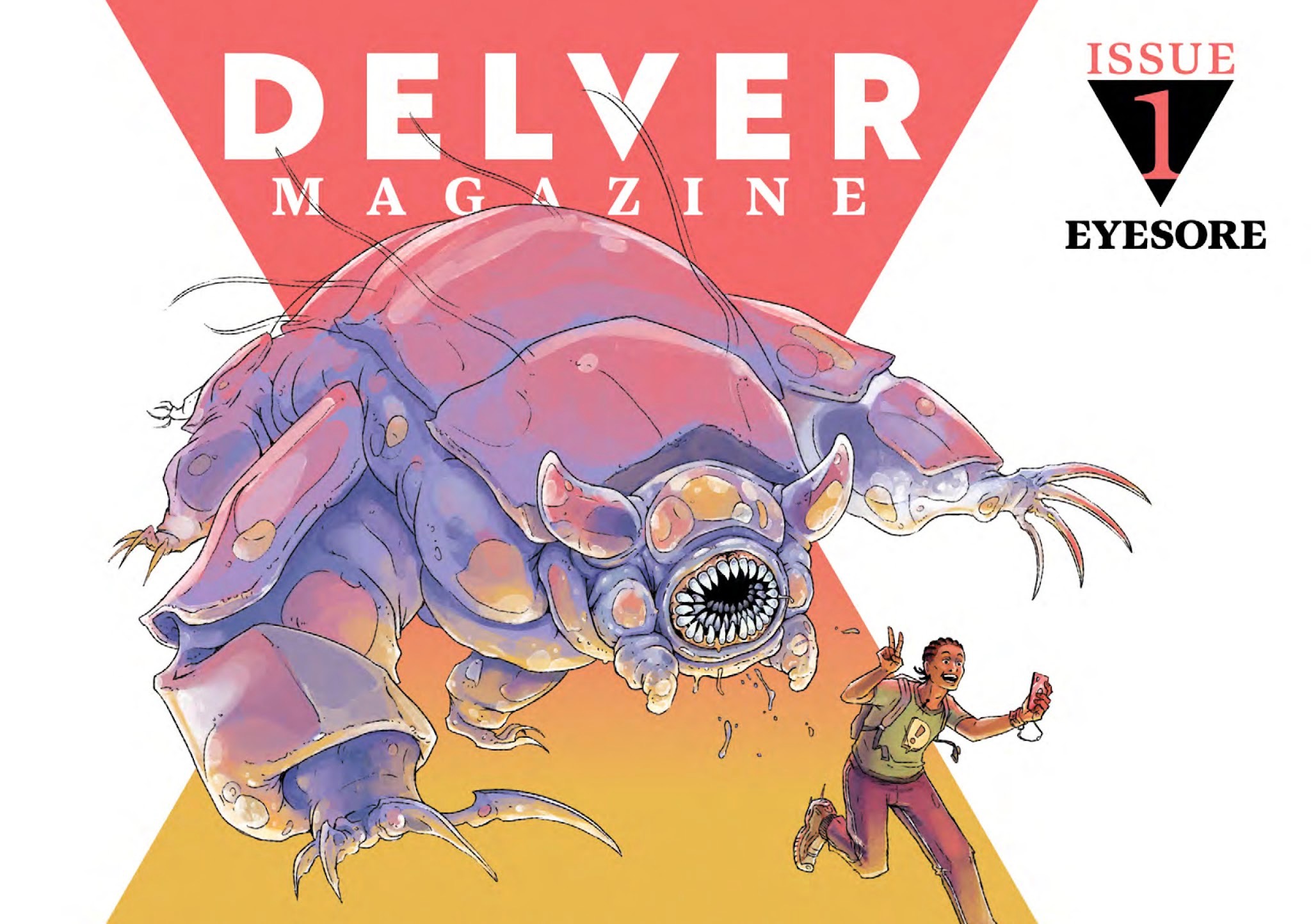
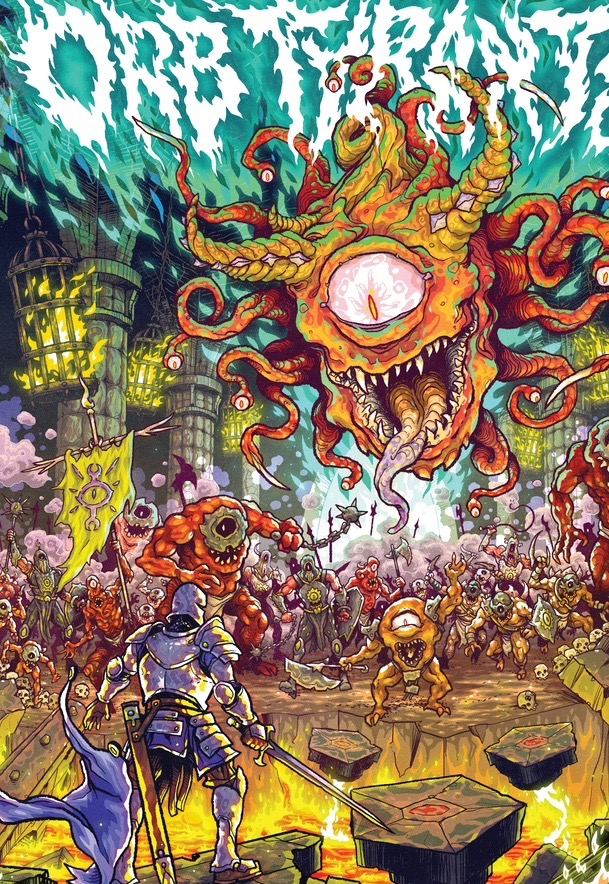
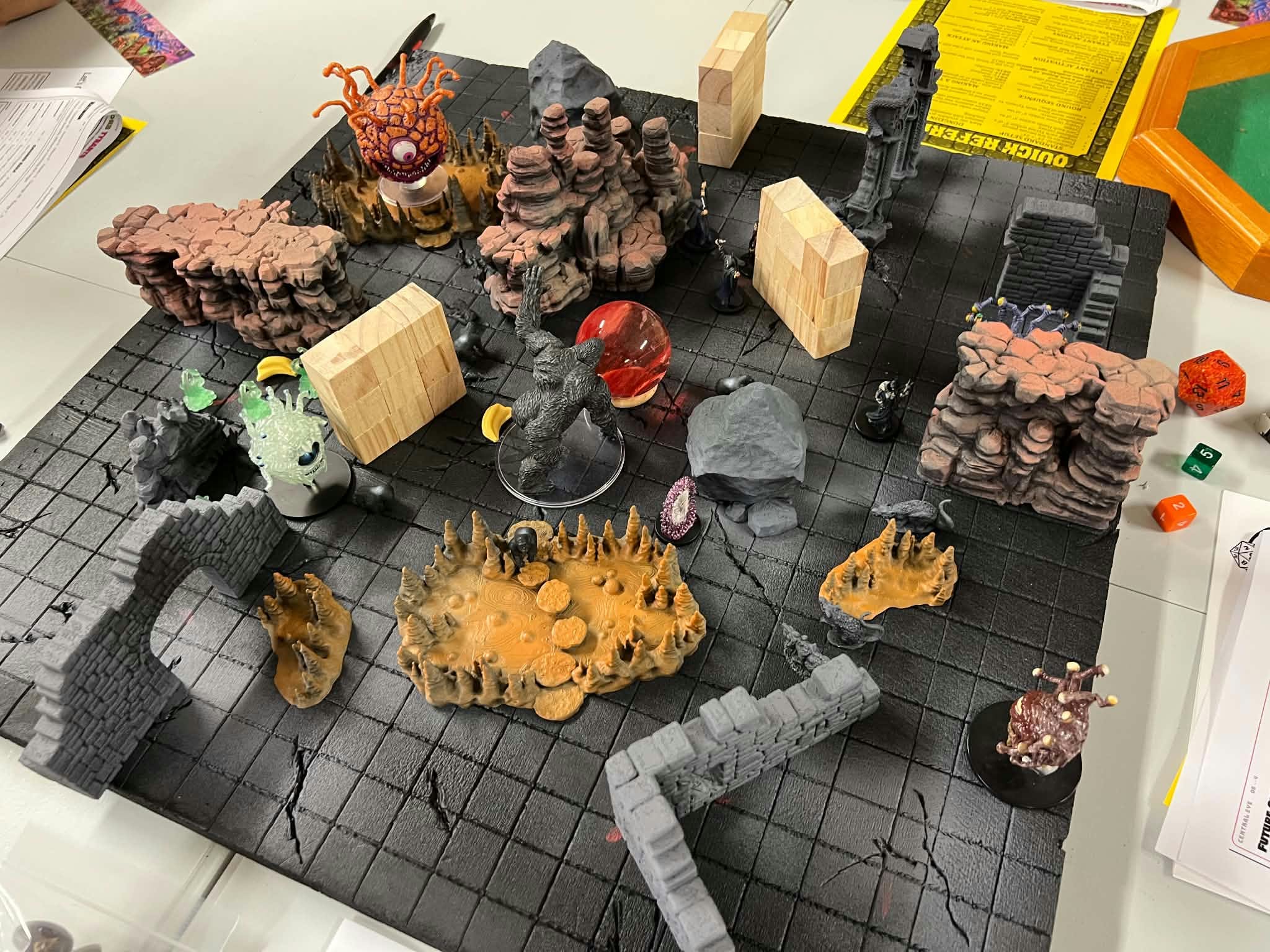
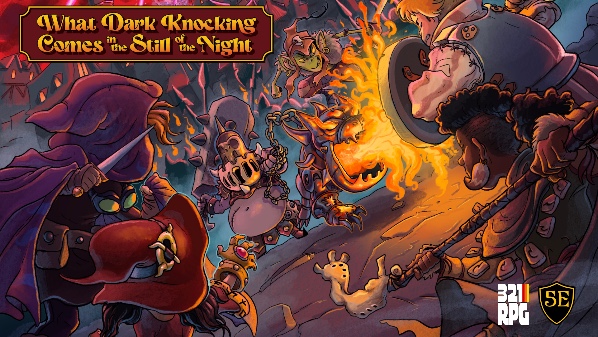
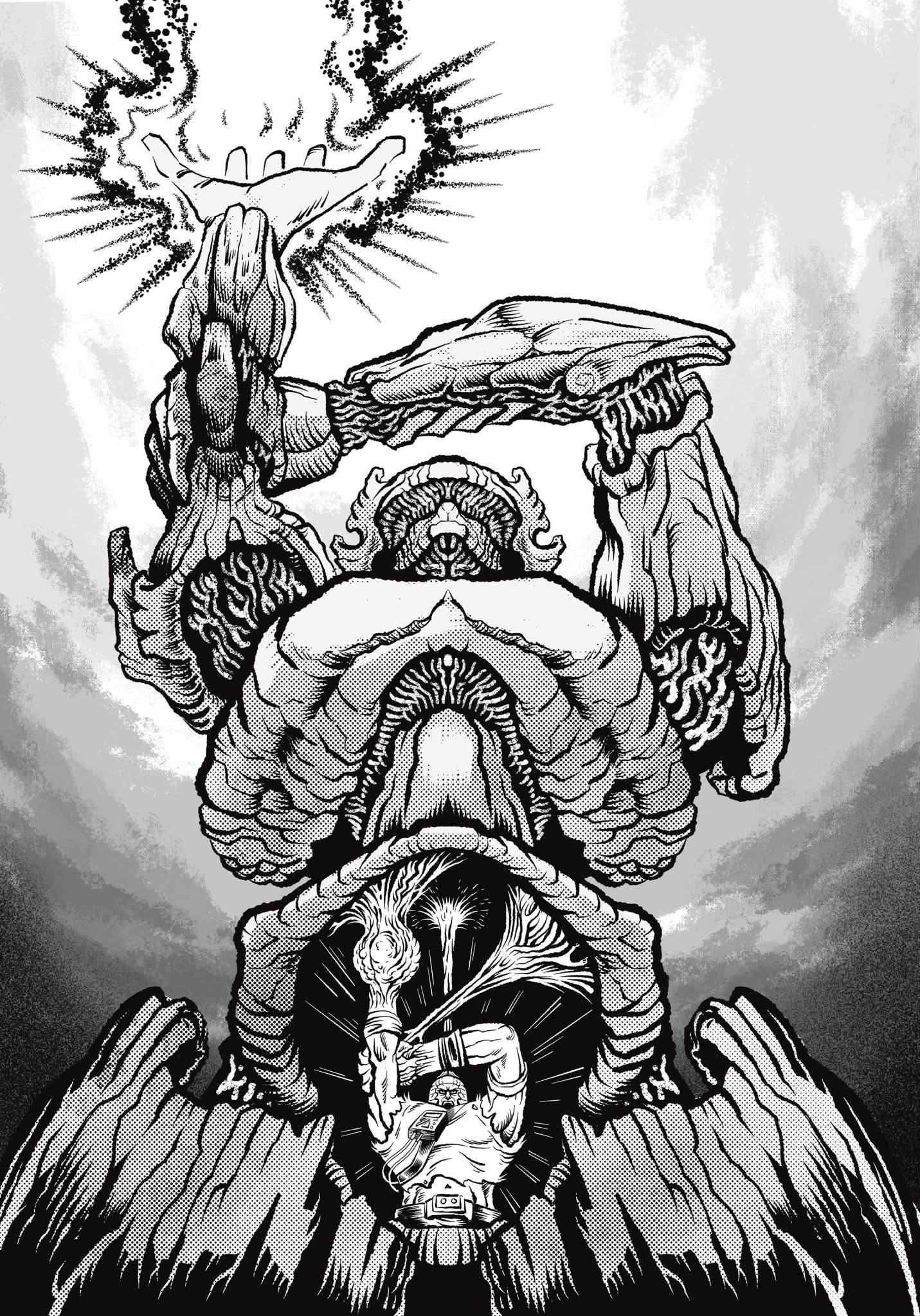
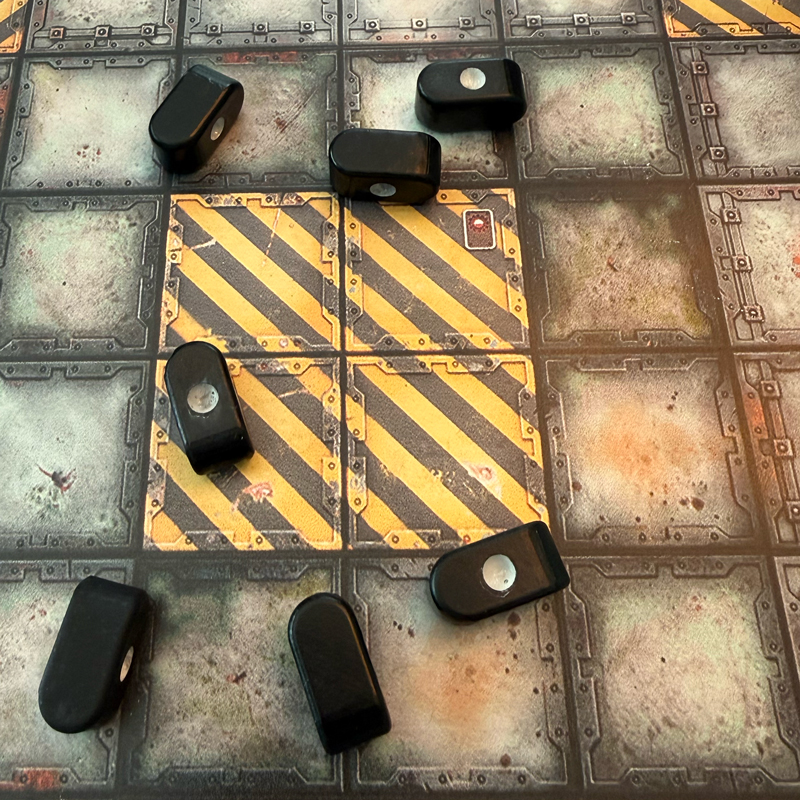
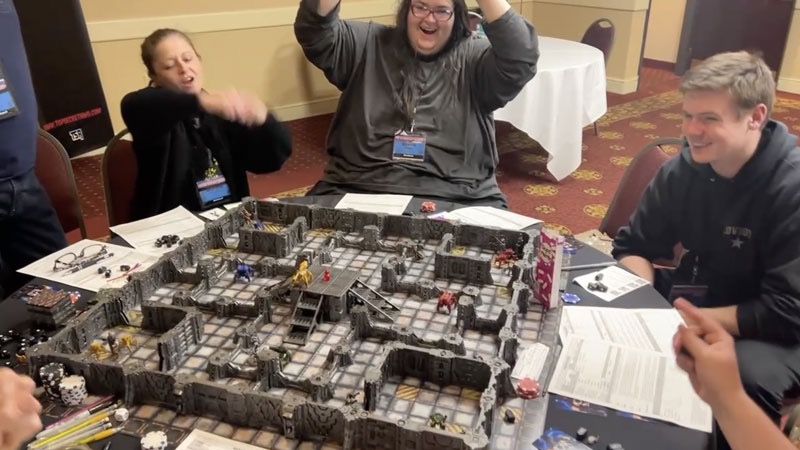
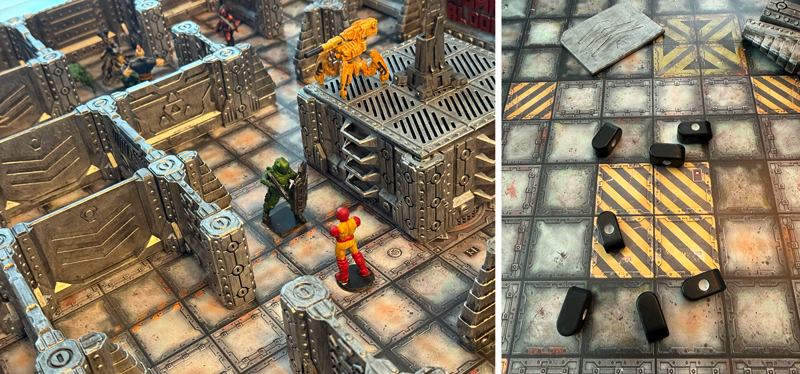
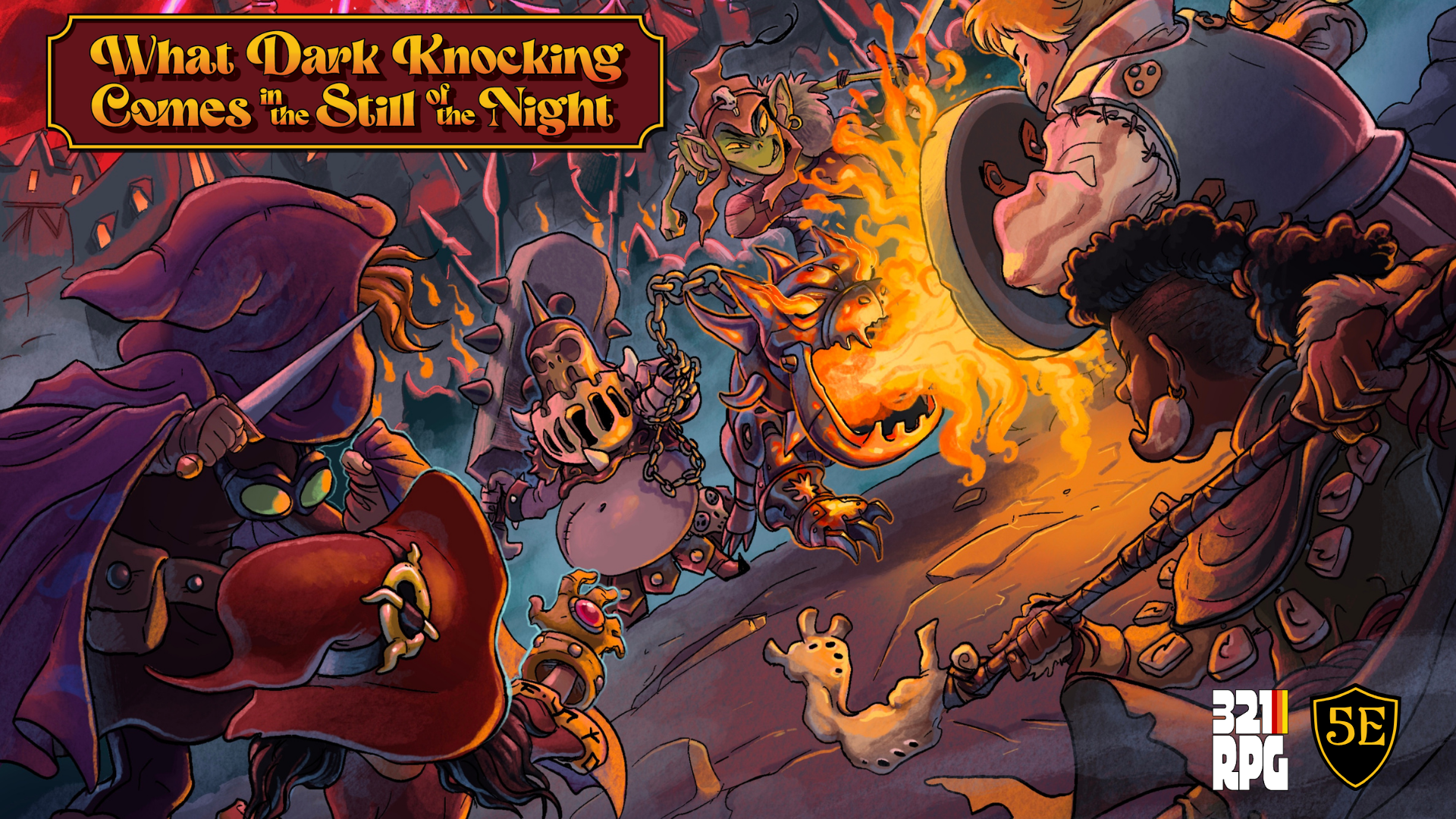
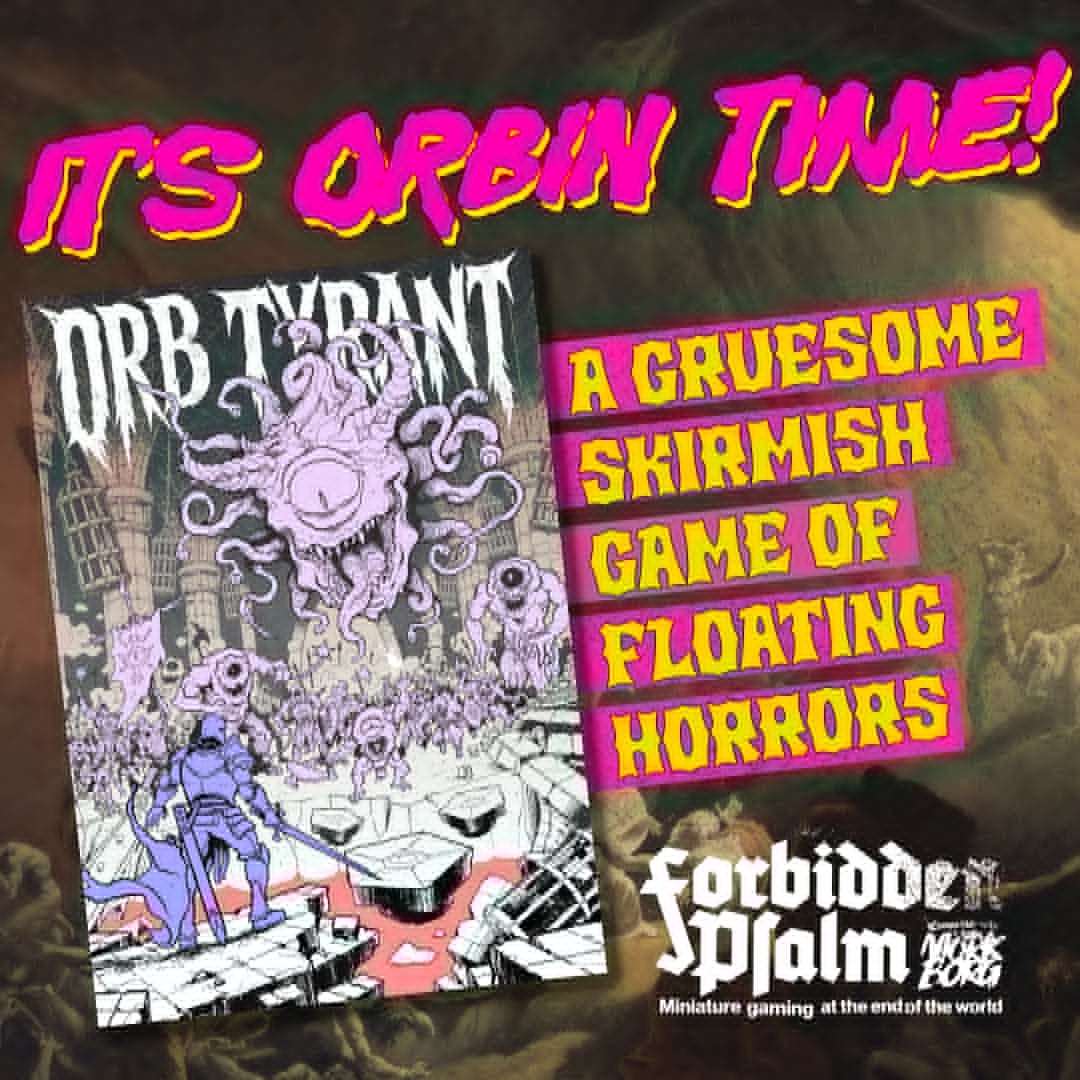
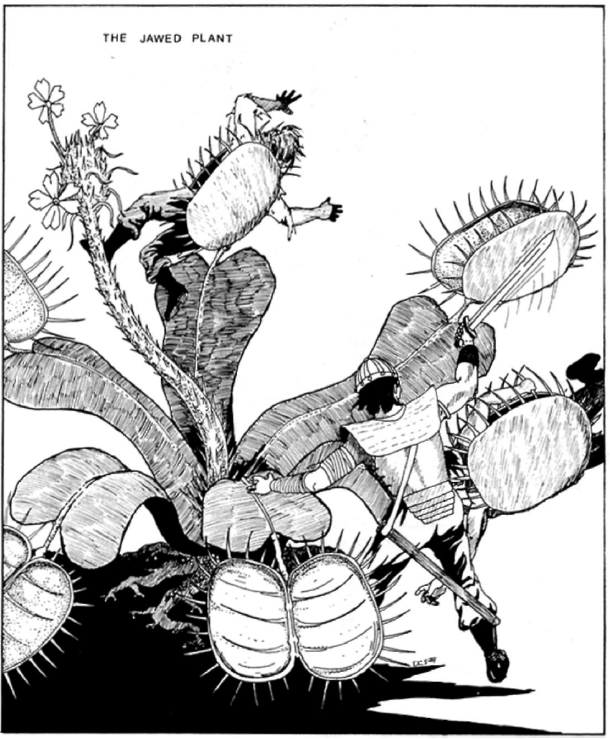
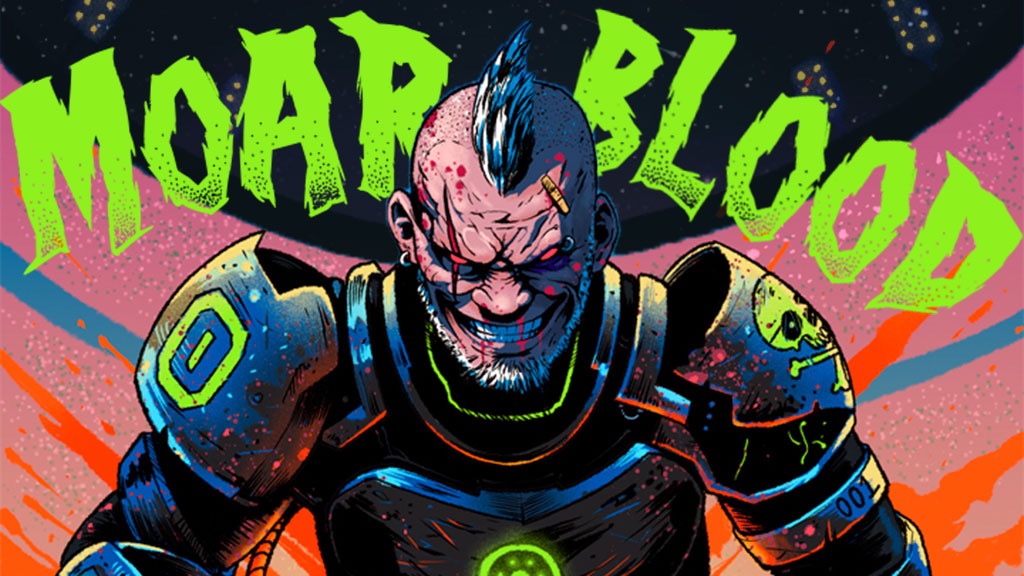
ORB TYRANTS is a skirmish game of battling dungeon horrors all fighting for control of the vast network of underground ruins called the Dungeon.
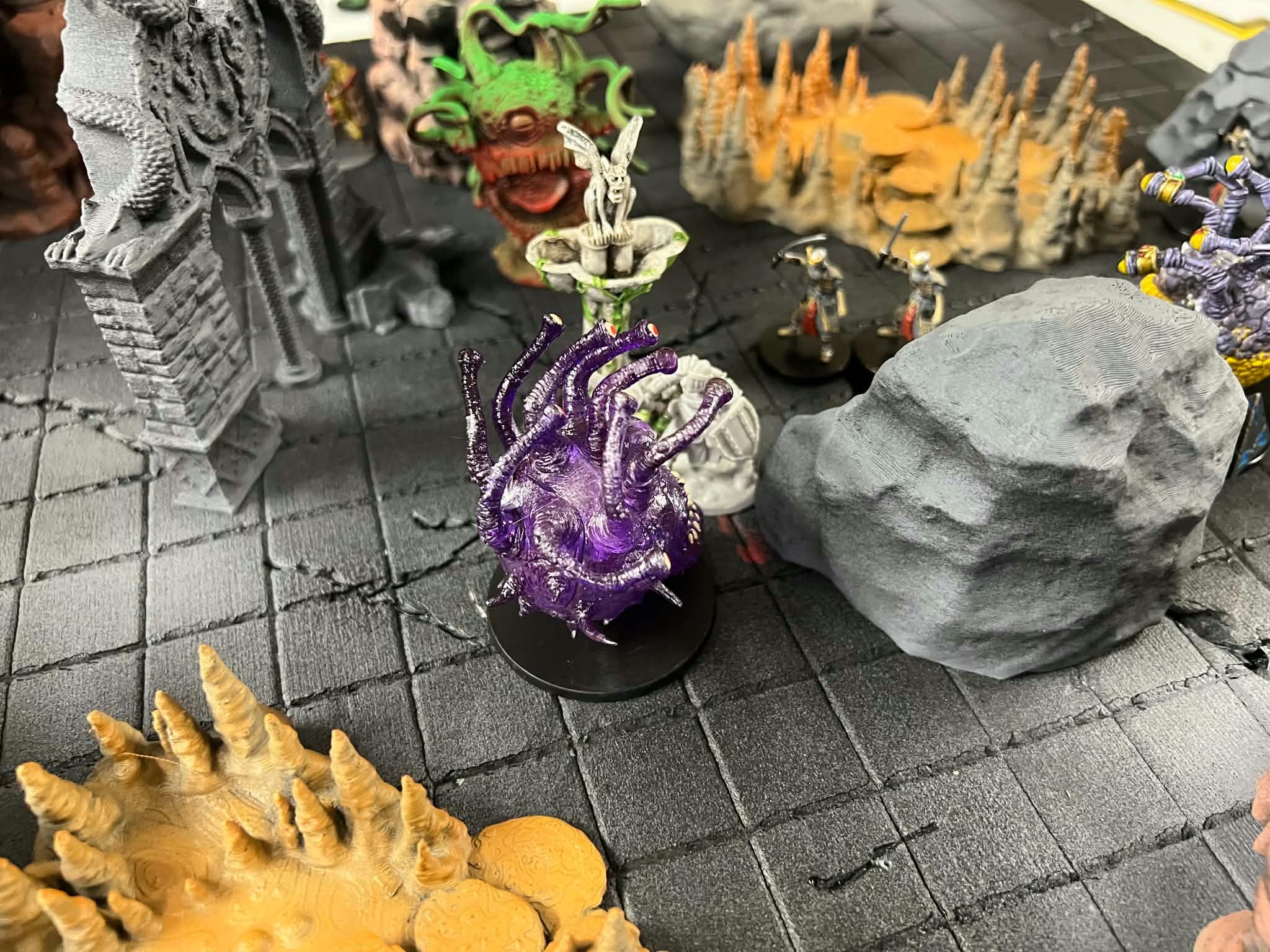
Each player creates a floating horror by rolling its body, mouth, central eye, five eye-stalks, hide, mutation, and horrible weakness. One Tyrant might be a plated brute dragging chains through the dungeon, while another might be a fast, half-rotten wormball that blasts lightning and cooks their enemies from the inside. Tyrants bring it to the table and fight for the Dungeon.
Rival Tyrants invade your territory, while heroes arrive looking for fame and treasure. Use your minions to swarm objectives, become a power-up for their master, and turn feral when those masters eventually fall!
Orb Tyrants are powerful in their own right, but they have other tricks up their eye stalks. They can kill a Hero to devour its power, sever an eye-stalk from a rival Tyrant, harvest it, and graft it onto themselves.
Survive long enough, and your Tyrant becomes something far worse than the horror you started with.
INSIDE THE DUNGEON- Fast skirmish battles for one to four+ players
- Completely random Orb Tyrant creation
- Five different eye-stalk categories
- Autonomous Heroes controlled by a deck of cards
- Minion hordes that fight, capture objectives, and feed their masters
- Organ harvesting and grafting
- Rules for campaign advancement, injuries, and lairs
- Solo rules and a full set of scenarios
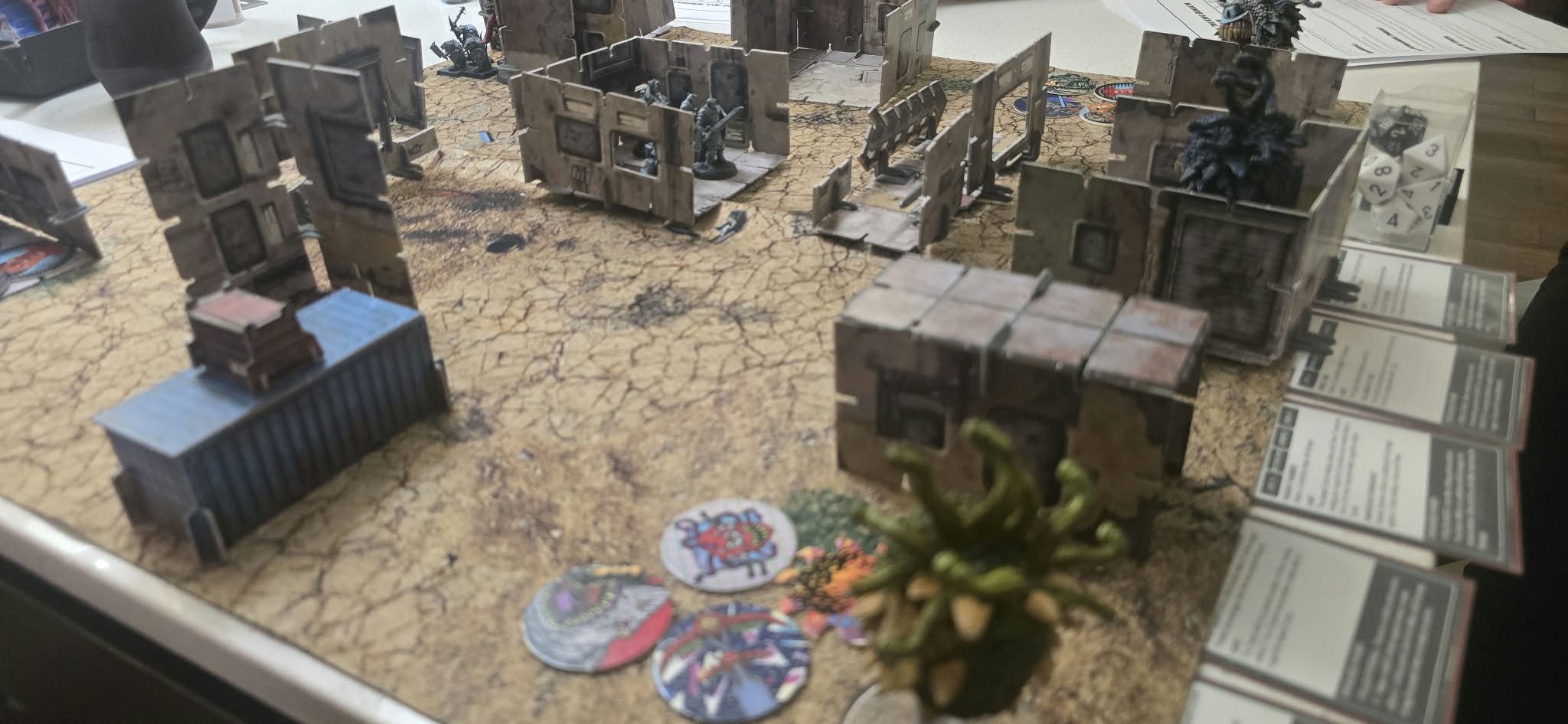
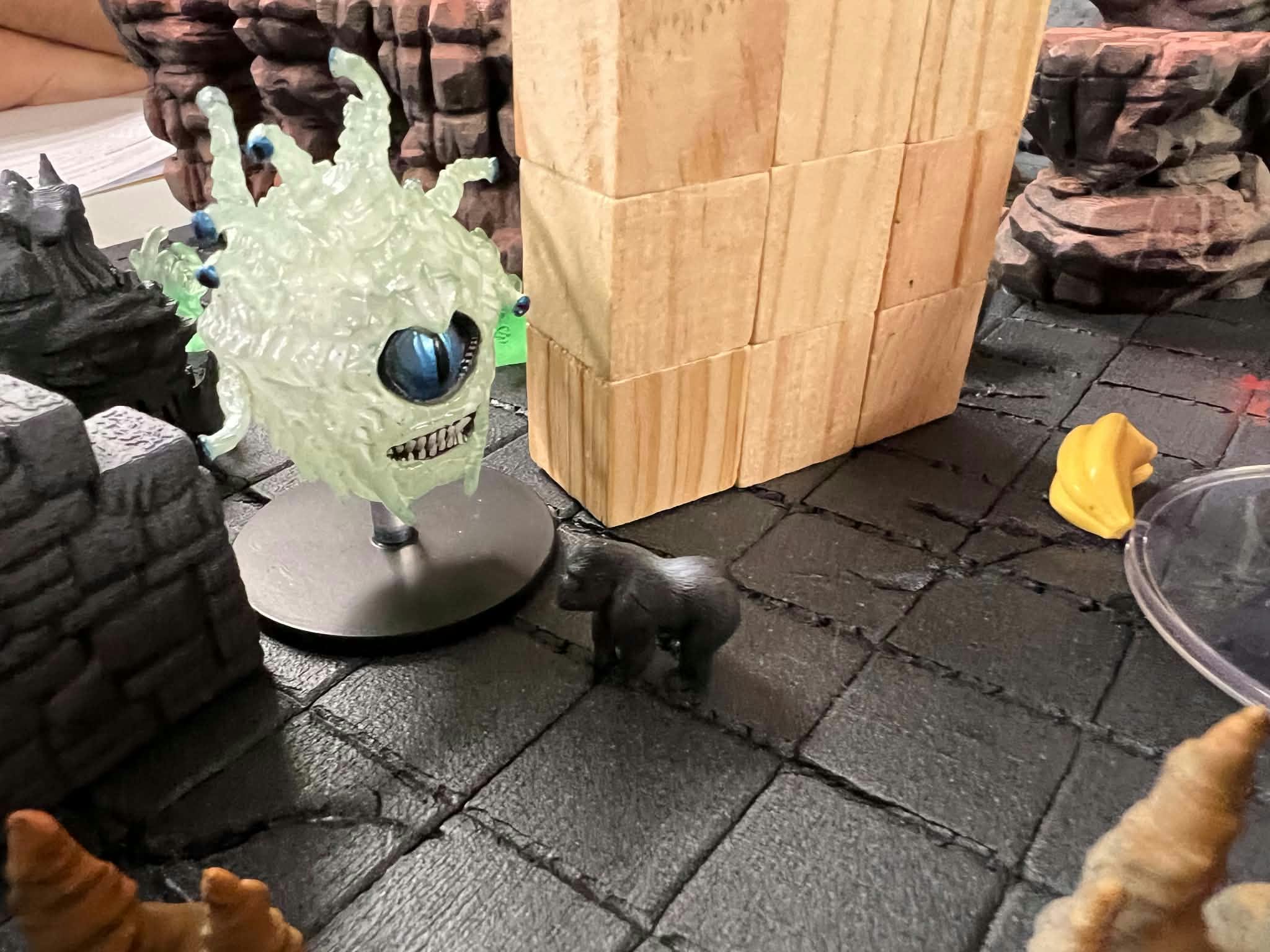
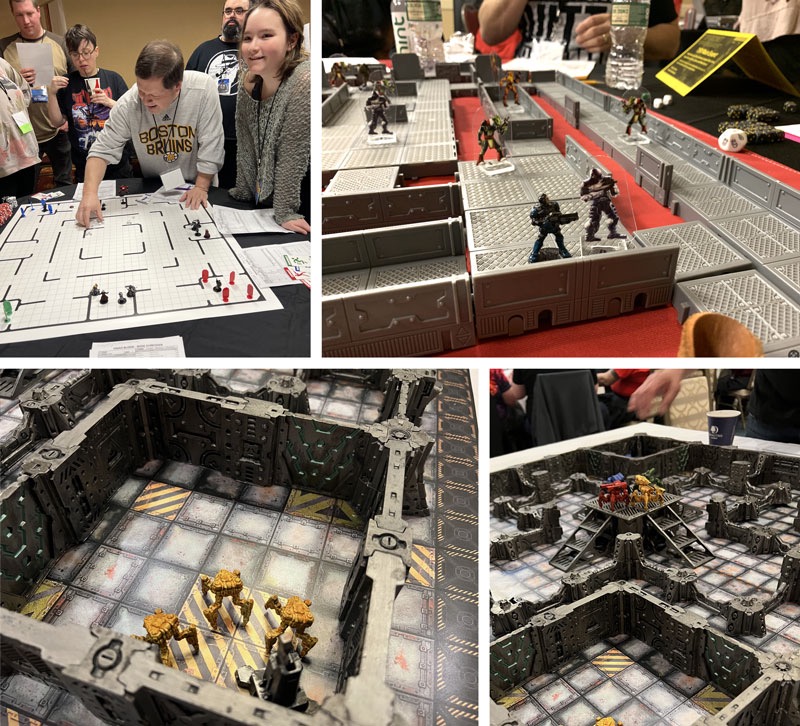
- Miniature-agnostic rules. Use whatever horrors, monsters, and dungeon terrain you already own
In the end, only one Tyrant will earn the title of Dungeon Lord! | | | | | Arcane Sword PressRoleplaying Rediscovery – Metamorphosis Alpha | Metamorphosis Alpha: Fantastic Role-Playing Game of Science Fiction Adventures by James M. Ward and Published by TSR | 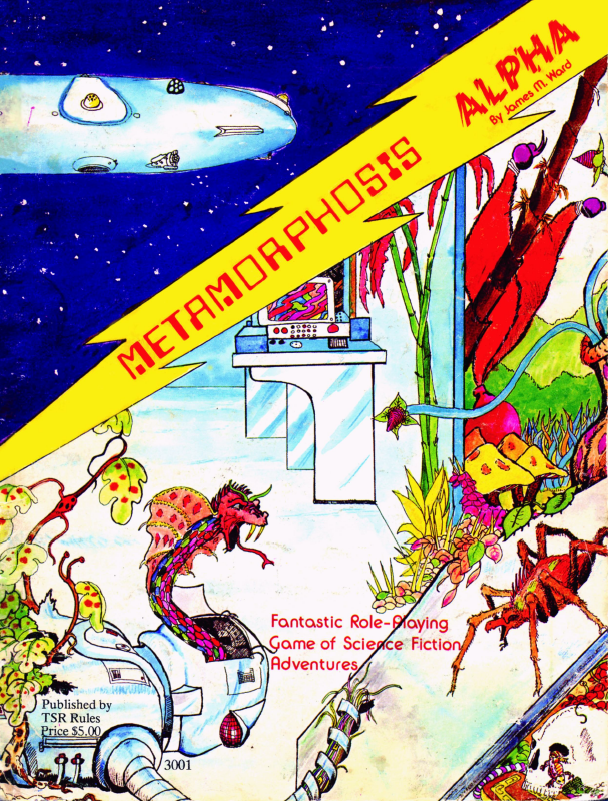 | In 1976, during the infancy of roleplaying games, a game totally out of left field emerged – Metamorphosis Alpha by James Ward. This game, like D&D before it, has seen some imitators, but none have the dialed-in conceptual focus of Metamorphosis Alpha (or MA). Many have heard about MA, but few have played it compared to its younger brother, Gamma World, or its offshoot, the AD&D adventure module Expedition to the Barrier Peaks.
In my years of reading, collecting, and diving into RPGs over the last 50+ years, few have left a strong “I really want to play this” feeling like MA has. So I am very excited to finally dive into it after all of these years. This game is very noteworthy for being the first published science-fiction role-playing game ever released, and it’s absolutely wild! | 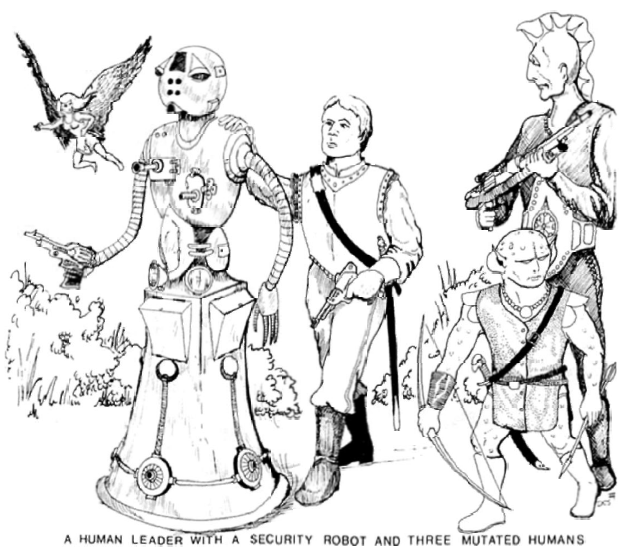 |
|
|
|---|
|
Metamorphosis Alpha has a fantastic premise that none have really attempted to capture to me: A massive generation ship called The Warden that is miles and miles long is waylaid by trying to avoid a large radiation storm in space and fails, causing the ship to become a floating world with new mutated plants, animals, and people wandering the many, many levels of the ship.
The ship is destined to sail into the endless void of space, long past the intended world it was set out for. Players are the inhabitants of the Warden and may or may not be aware that they are on a massive starship, since an unknown amount of time has passed and different intelligent cultures have formed on different levels. MA also provides an overview of each level of the Warden in a paragraph or two, including features such as maintenance shafts, elevators, and other means of transitioning between the levels. | 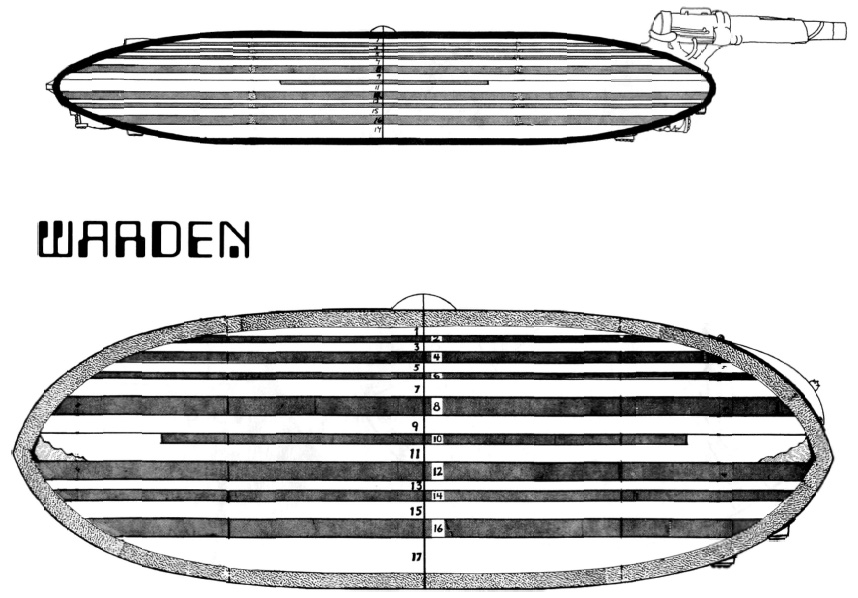 | One thing I want to point out is that the Warden isn’t a megadungeon: it’s a series of overworld exploration maps where characters can find dungeons, cities, forests, etc., depending on the level they are exploring. The ship is 50 miles long and 25 miles wide and 8.5 miles tall- that’s huuuuuuge. You can’t actually make a dungeon fit that space, which is why each level is its own world. Some levels are literal natural habitats with trees, lakes, etc., while other levels are storage for colonization planets. But keep in mind, each other level creeps into each other, so there’s a chance you encounter a psionic fungi-dominated wolfman with a tentacle tail on maintenance level or a security robot lost on the jungle level.
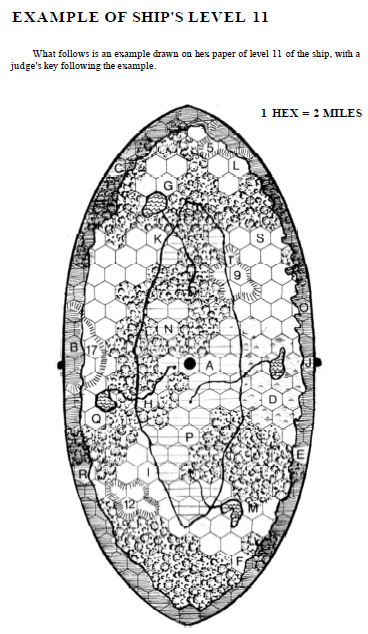
The referee is assumed to make locations and other points of interest on the various levels. James Ward says you should only prepare three levels for the beginning of the campaign and grow up front here, which I think is good advice, because preparing 21 levels of hundreds of square miles feels daunting! He also provides some sample maps for a couple levels with points of interest to help provide guidance, which is very helpful. This is worth noting, because nothing like this game reeeeeally existed in 1976, and even today, it does a better job of providing referee advice and assistance than many modern games.
Making a character is pretty simple; you choose one of three options; Humans: who could be descendants of prior crewmen who forgot about the ship and are basically D&D characters OR you could just come out of cryosleep and see the ship is in dire straits Humanoid Mutants: You were a human hit by the mutation, so you have gained some mutant traits (more on that later) Mutant: You are not human in the slightest and may be an animal or plant that has developed sentience along with some other strange mutations.
Then all players roll 3D6 for their stats: Radiation-Resistance, Mental-Resistance, Dexterity, Strength, Constitution, and if they are Human, Leadership-potential. Players that are mutants are able to roll to see how many mutations they have and choose or randomly roll for them. Some mutations are very helpful, but you are also expected to have hindering mutations- a personal favorite being 10 extra limbs that move independently! |
|
|
|---|
|
| | Past this point, the book outlines the future tech players can find and loot, basic combat rules, and my favorite: the elevator bracelets. Players can find six different types of bracelets, and different colors grant different levels of clearance. And that is fun: these are basically magic keys that open up more areas of the ship or hidden areas. I think this is very fun, and I immediately thought about how a tribe of mutants might have the leader wear one of them and the players have to figure out a way to get it from them so they can access the ship’s robot maintenance area. I guess this leads me to the strengths and weaknesses of this game. |
|
|
|---|
|
No Clear Rule System: There isn’t a unified rule system here, or any examples of procedures beyond using the resistance tables, recruiting mutants, overland movement, and combat. I personally don’t find this a drawback, though! This game is in the legacy of OD&D, where the game is a toolbox where the referee fills in the gaps. But James Ward does a fantastic job evoking a vibe, and I wouldn’t mind making up a mechanic on the fly. But I’m also familiar with how people would houserule OD&D, so I would do something similar here (roll 3D6 and roll under the stat to succeed), but I can see that being hard for others unfamiliar with games from the period. You are encouraged to buy polyhedral dice (from TSR) to aid with using rules if necessary, but you don’t need them. The Book provides guidance instead of boundaries: The game is left very much open-ended for the referee to go crazy within it using the tools provided. This means that you are expected to provide simple ship-level maps on graph paper to the players and let them explore. MA has example mutants, procedures for making NPC mutants, pre-made encounter tables, and technology items that can be found. Jame Ward repeats that referees should make up whatever they desire and are encouraged to expand on the tools provided. Organization: While yes- this game is a product of the early days of RPGs and is inspired directly by OD&D, it IS better organized and laid out than its predecessor. I would also say James Ward is a better teacher of a game than Gygax was, and I had a lot of fun reading this book. Yes, James Ward was definitely emulating the way Gygax described things in his modules, but he is far clearer and more straightforward to understand. I didn’t find myself having to re-read areas of the book, and that’s a major plus for me. On the downside, the book does feel like a group of notes taped together in no particular order. For example, the items in the game are after the starship overview and before character creation. No Adventure Hooks: The game doesn’t come with a starting adventure or anything for players to dig into, and there’s no material for creating adventures. This isn’t a bad thing, but I can see people reading this and being like “what do I do with this?” I immediately thought it would be fun to attempt to take control of the Warden and steer the ship back towards the intended planet to complete its mission. Or play the game straight with D&D characters searching for the temple of a god, only for them to realize it was the ship’s computer, Fred Saberhagen style (but you kind of can’t tell the players they are playing MA)
|
|
|
|---|
|
Metamorphosis Alpha never really reached its potential, and whenever it was re-released, it was always tied to some forgotten contemporary game system or publisher. In the early days of Dragon Magazine, Ward provided additional rules for MA and was hoping for a future expanded release called Metamorphosis Alpha to Omega. This seemed to be shelved so TSR could focus on its primary product, AD&D, instead of its niche titles. |
|
| |
|---|
|
Metamorphosis Alpha to Omega WAS released by TSR during its twilight years under its Amazing Engine rules that no one remembers. Goodman Games released what I would call the best version of MA out there- The Metamorphosis Alpha Collectors Edition, which includes not only the base game, but all of the different articles from Dragon magazine and Space Gamer, plus some more content and errata by James Ward himself and others, including current writers like Michael Curtis. Goodman Games also released a number of support materials for MA during this period in the early to mid 2010s, including adventure modules that are not currently available in print or PDF.
I’m lucky I was given the paperback version of this rerelease for Christmas when it was still available, but it is now only available in a limited hardcover edition for $120. Hopefully Goodman Games will republish it in paperback soon! After the Goodman Games era of MA, it jumped around among different publishers, and Catalyst Games is currently planning a “modern” version. Looking at some other editions past the initial first edition (which Goodman Games supported), I am not hopeful since those other publishers seemed to have missed what makes Metamorphosis Alpha unique, instead moving closer to bland sci-fi detritus you find in used RPG bins.
I cannot overstate how cool Metamorphosis Alpha is. It is not only the first Sci-fi RPG but also jump-started the mutated post-apocalypse games you see carried on by Gamma World and then into RIFTS and Mutant: Year Zero. It’s the first true “gonzo” RPG setting, a term I’m not a big fan of, especially applied to this game, but it is the origin of what people mean when they say gonzo in RPGs. But that’s a different discussion for a different time!
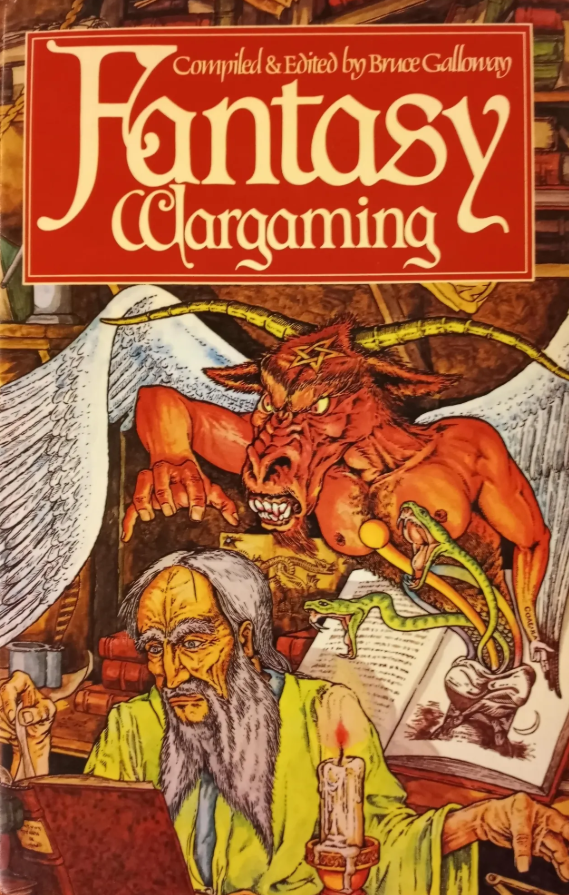
Next time: Fantasy Wargaming by Stein and Day Publishing
Until then! | | | Alewood Games Alewood joins the AU! |
|
|
|---|
|
| | Greetings! I’m Rhodrick Magsino, owner, writer, art director, and all-around jack-of-all-trades when it comes to running Alewood Games.
I started publishing TTRPGs only 4 years ago, trying to branch out my storytelling into a new medium after a 20-year filmmaking career. |
|
|
|---|
|
From 2008-2014, I was the co-owner and creative director for a tiny multimedia production coop in Chicago called Little Brass Bird. The recession hit us hard, so we connected with every artist we personally knew in the city, gathered our resources, and started producing designer toys and weird animated videos. It was a way to sell and cross-promote each other, secure future work, and keep fine-tuning our craft during a nationwide financial dry spell. We were one of the first crowdfunders on Kickstarter in 2009, and were invited by then-CEO Yancey Strickler to premiere our funded web series at their Kickstarter Film Festival in Brooklyn, NYC.
During this time, I was an avid D&D player and board gamer. I started to design my first board game when the coop dissolved in 2014. Alewood is a Wild West tabletop drinking game that was eventually released in 2020, right when the pandemic hit. |
|
|
|---|
|
A year later I moved to Baltimore, my film career was stable but creatively stunted and my backlog of niche game ideas was having trouble finding a place within the boardgame community. *Poof* I crossed paths with Zine Month. Suddenly, my Tom Waits lyric-writing game had a format and an audience. I switched gears with explosive energy in 2022 by publishing my first zine and have been on a consistent yearly release schedule since then with my 5th title, A Most Brilliant Spark, launching later this fall.
My other titles include: Remember Frankie?, Traysikel: Ride or Die, ARKYVR, and OMENDROME. |
|
| |
|---|
|
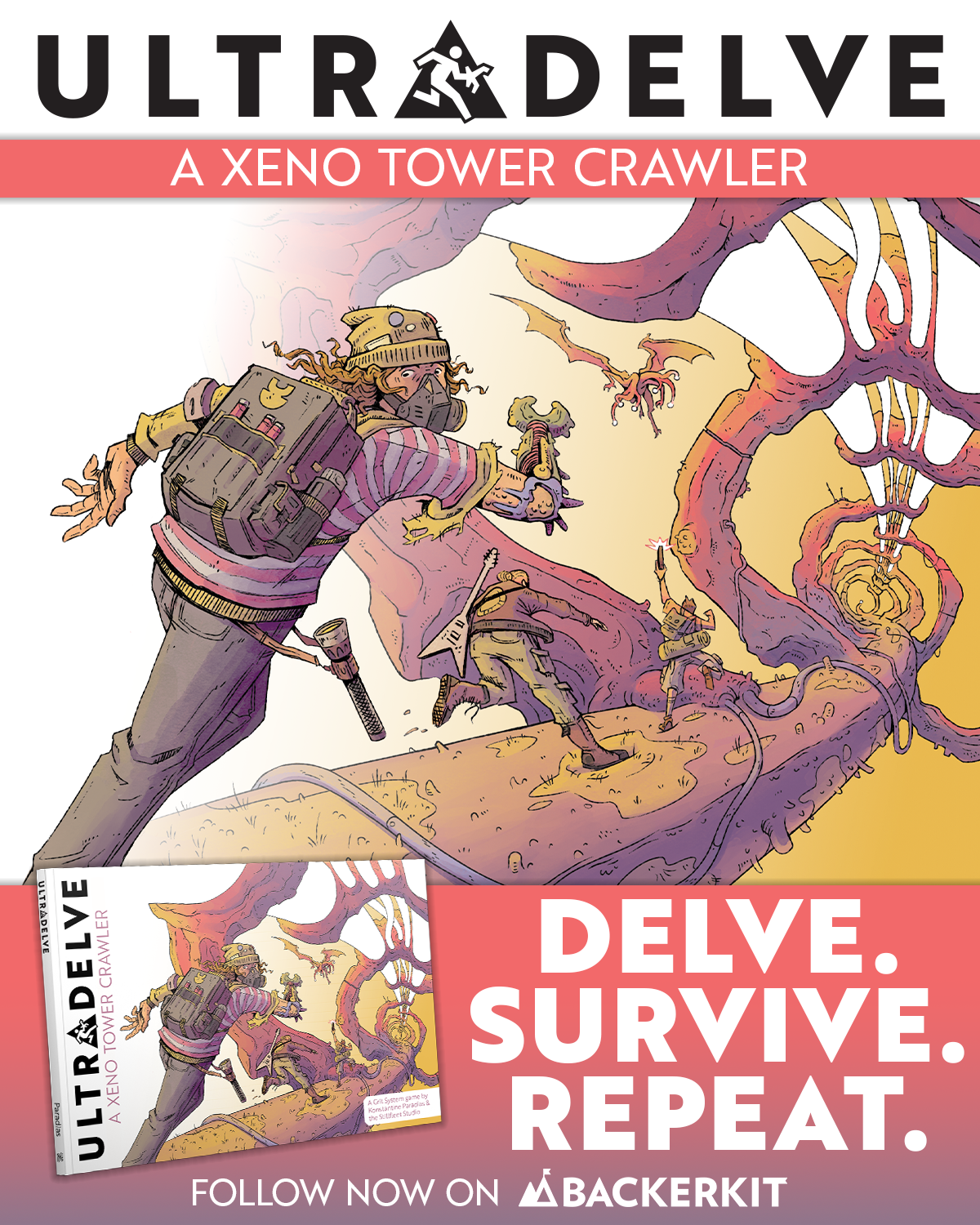
| | Stillfleet Studio The Game Design Grind: Game Jamming | 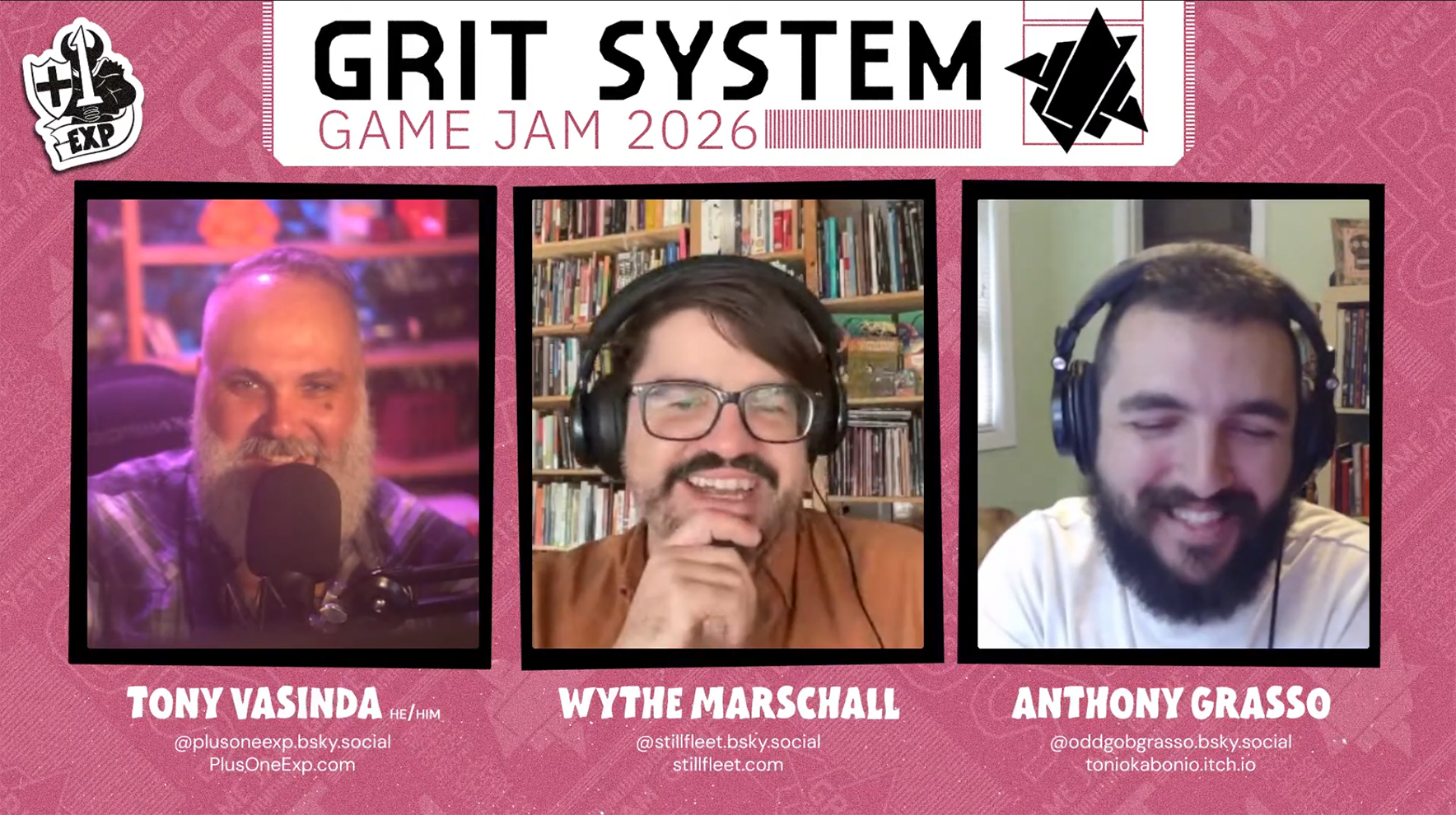 | This is the last week you can submit to the first-ever Grit System Game Jam on Itch. Why would you do such a thing? I can think of a couple of reasons:
You enjoy designing games for fun, specifically TTRPGs, specifically modern adventure TTRPGs with a focus on narrative powers/powers as scenes (in the same design world as PbtA, FitD, and Together We Go) and player agency. You want to write games for more than fun, so you’re interested in connecting with and getting some attention from players, GMs, and other designers via a judged game jam.
In general, a game jam is a great way to give yourself two big creative constraints: time and theme/content.
Maybe you find game design fun, but it takes up a lot of time. Great! A game jam is only open for a set period of time. Maybe you enjoy game design but have so many gigantic heartbreaker ideas, you don’t know where to start. Great! A game jam usually has a theme or focus on a system.
Sometimes, jam creators provide fairly specific creative direction or useful tools. Other times, they’re open to whatever. Either way, the real goal, IMHO, is to entertain and surprise yourself while crossing the finish line and hitting “submit” at the end. I personally love a game jam because it gives me a reason to procrastinate from working on The Latest Big Mega Amazing Project and simply have fun writing up a page or two of weird lists, rooms in a dungeon, etc.
Tony Grasso (Blister Critters) and I recently hopped on a chill stream with Tony Vasinda (Plus One Experience) to chat about game jams in general and the types of submissions we’re seeing for the Grit System jam.
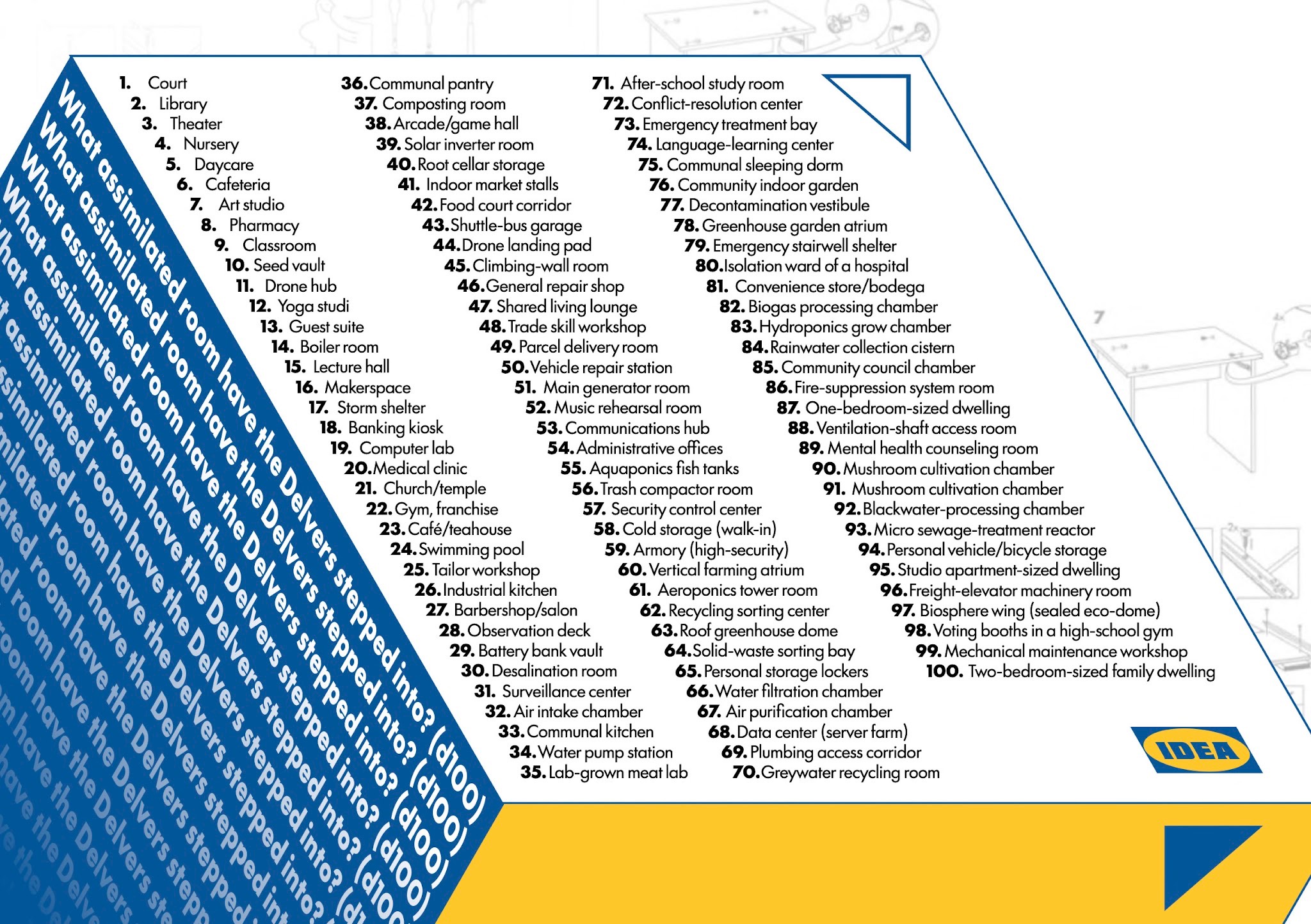
TL;DR, we’ve been blown away by the depth of the responses so far: full-on new games, twisting and expanding upon the system! That said, we are still very much open to one-pagers, experimental thoughts, weird lists, and rooms in a dungeon (even on a spaceship). So if you’re considering a jam— | | | | | Solarian Games The Top Secret Tradecraft Manual is available now! | 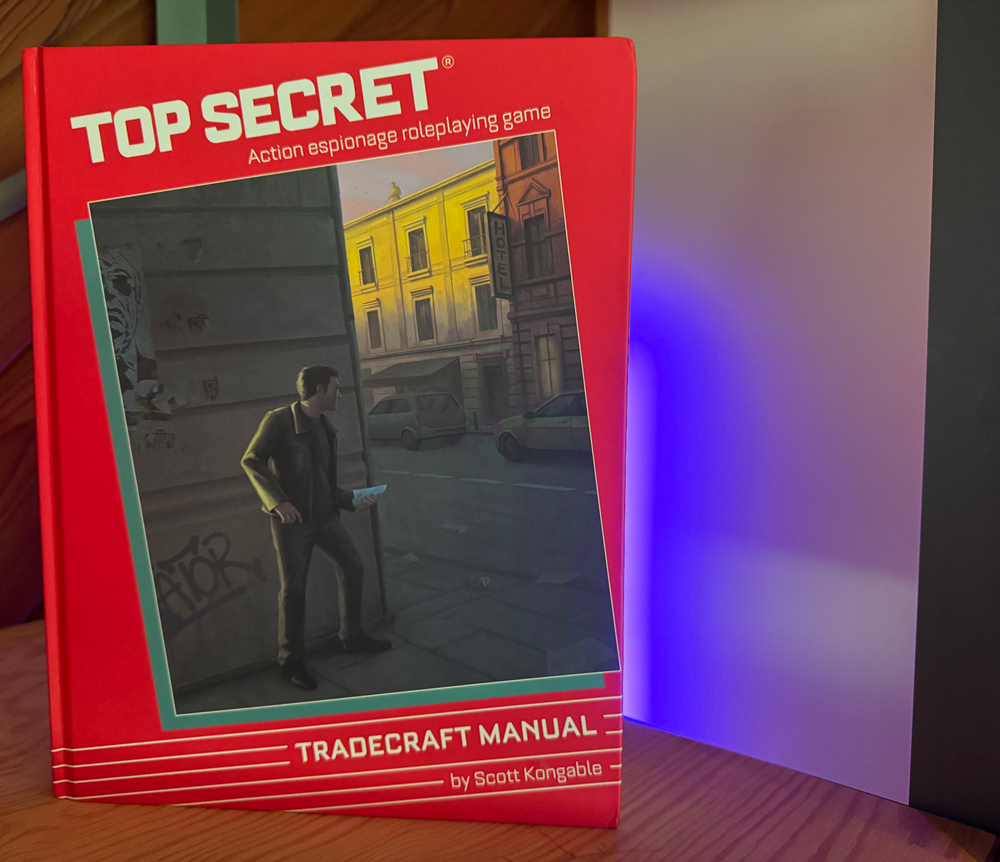 | The first official supplement for Top Secret® is now on sale in our store, in hardback and PDF.
The Tradecraft Manual™ is the first companion book for Top Secret. The core rulebook lists all tradecraft proficiencies with short descriptions. This book dives deeper into each proficiency, answering questions players have asked the author over multiple campaigns and hundreds of games since this edition of Top Secret was published, under the full title Top Secret: New World Order®.
268 full-color pages of skills explained in detail with recommended die rolls, mechanics, and narrative examples. The Tradecraft Manual also includes new rules for car chases, water chases, foot chases, training, and more. | 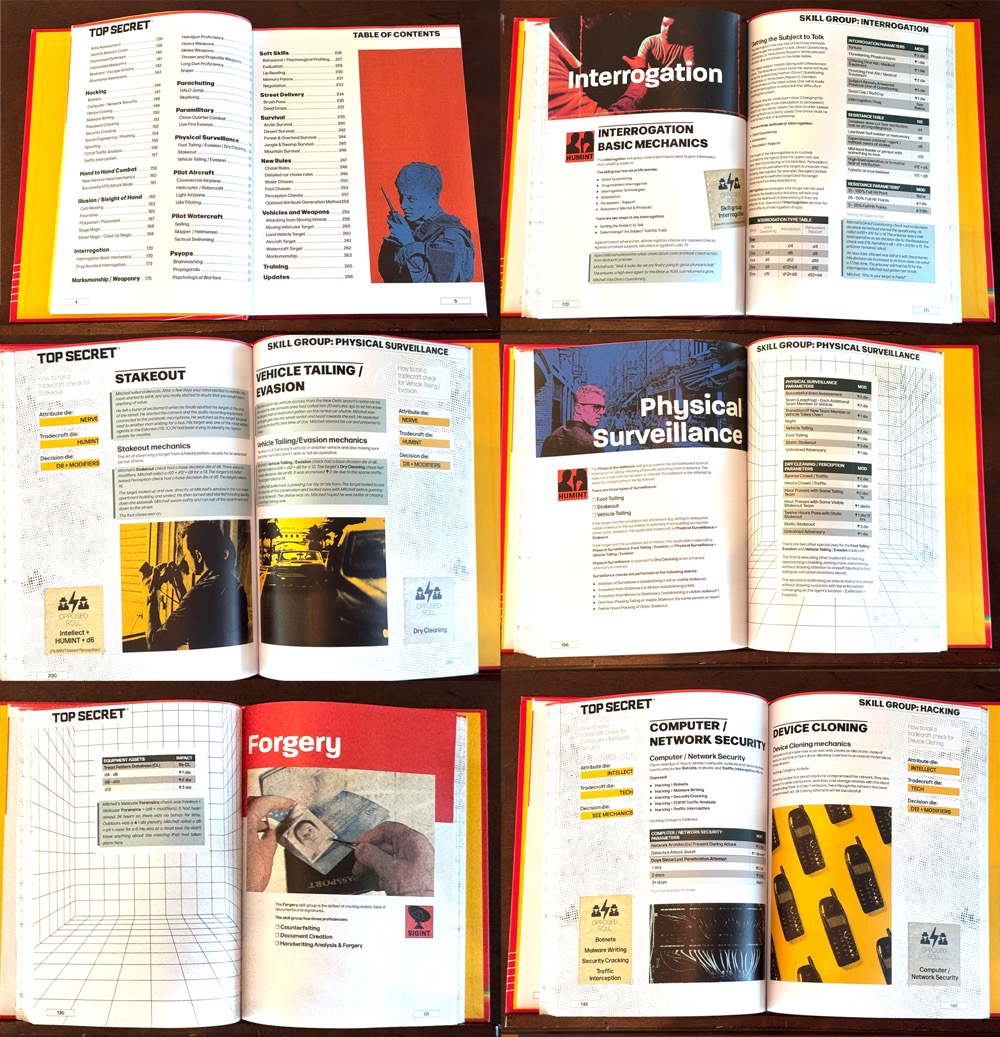 | Scott Kongable, author of the Tradecraft Manual, is the foremost GM for Top Secret, having run multiple bi-weekly campaigns for over six years. The updates to Top Secret in this book are the culmination of literally hundreds of sessions in both campaign play and convention play.
Everything in the Tradecraft Manual is compatible with the existing published rules and missions for Top Secret, and it can be a great asset for any modern action role-playing game. It’s been a lot of fun making this book, and I hope you’ll have fun using it in your game! | | | | | Analog Union Join the Analog Union subreddit |  | The Analog Union subreddit has launched, and it’s starting to grow! Join us in our new community where you can tell us what you really think of all these shenanigans we’re getting up to. We listen, and we care. And I really want to see what you’re up to in your gaming world.
It’s easy to find; it’s literally r/AnalogUnion.
Get in now so you can say “I was there before it was cool.” (Spoiler alert: we’ll never be cool) | | |
|
|
|---|
|
ShireCon North Canaan, CT – September 25th & 26th |
|
|
|---|
|
ShireCon is celebrating its 8th year! Two days of role-playing and board games in the Berkshires! Come for a day and a half of OSR and modern gaming. Visit our vendors selling old and new games and enjoy the local fare in North Canaan, CT |
|
| |
|---|
|
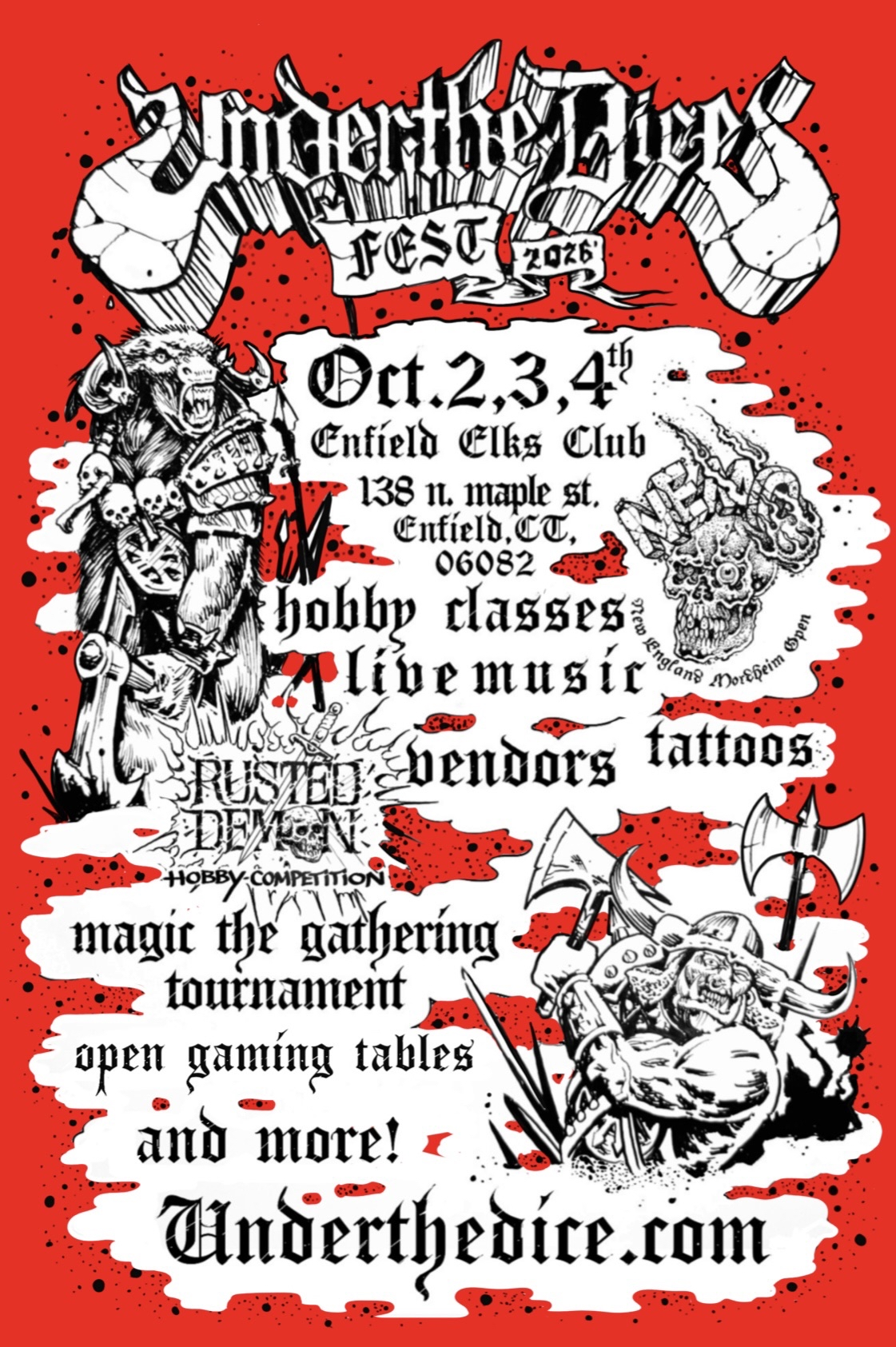
Under The Dice Fest Enfield, CT – October 2nd, 3rd & 4th |
|
|
|---|
|
Under The Dice Fest returns this October 2nd- 4th!
UTDFest is focused on independent tabletop gaming, with a focus on miniatures and wargames! The New England Mordheim Open returns, along with roleplaying games, game tournaments, workshops, live music, and more! You don’t want to miss it! |
|
| |
|---|
|
ArcaneCon Northampton, MA – October 16th & 17th |
|
|
|---|
|
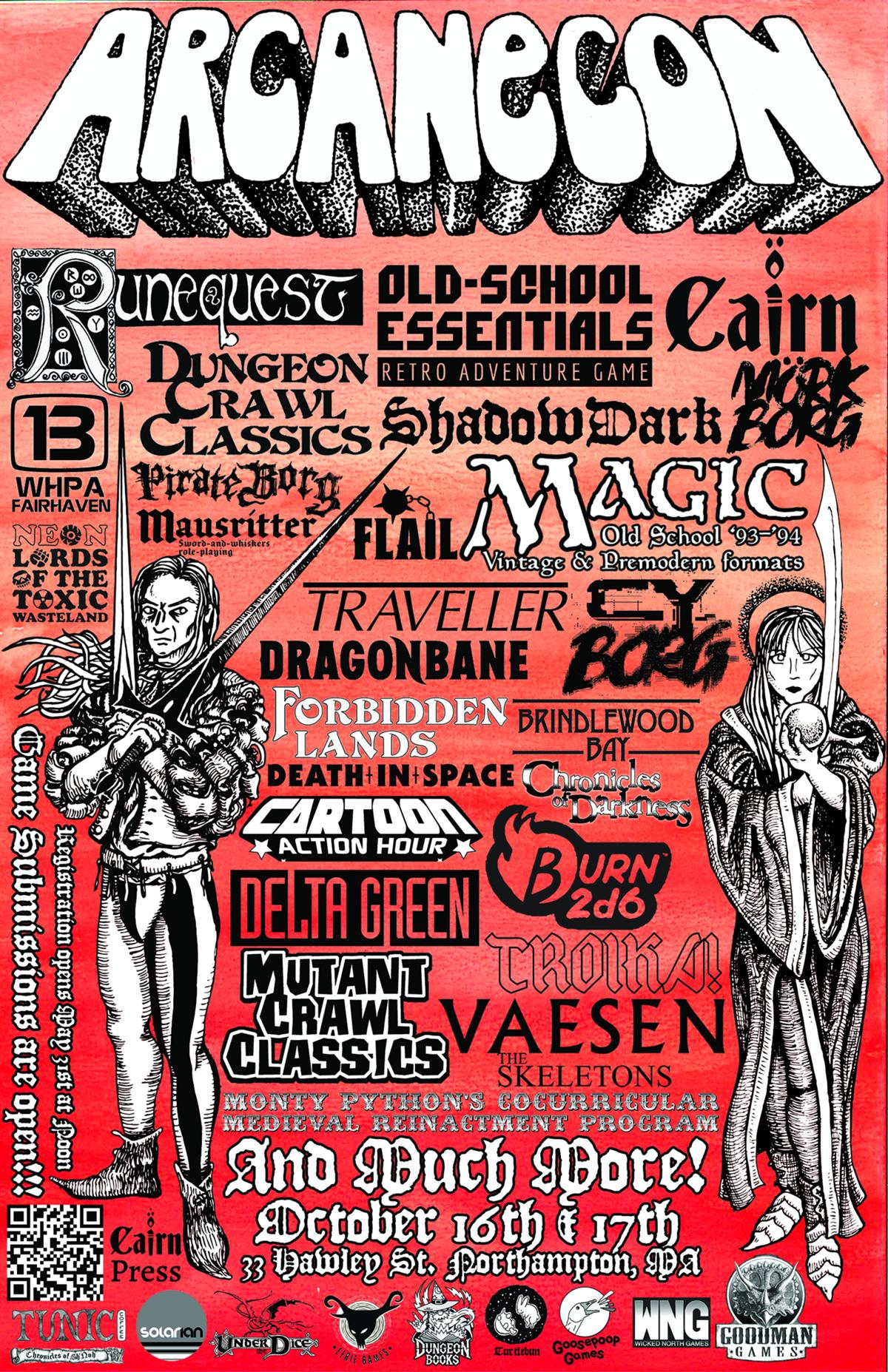
ArcaneCon is returning October 16th & 17th, 2026. Join us in a celebration of indie, old school, and old school-inspired RPGs, miniature games, board games, and more! ArcaneCon is Western Massachusetts’s premiere tabletop hobby convention! Game submissions are open now!!! See more information at Tabletop Events. |
|
| |
|---|
|
Keep on emailing us at hello@analogunion.com to let us know what you’d like to see more of/less of and to share ideas. If you enjoy the Analog Union newsletter, please tell your friends to sign up at AnalogUnion.com. Until next time! —JHM |
|
| |
|---|
|
|
|